Utility group · Tibet
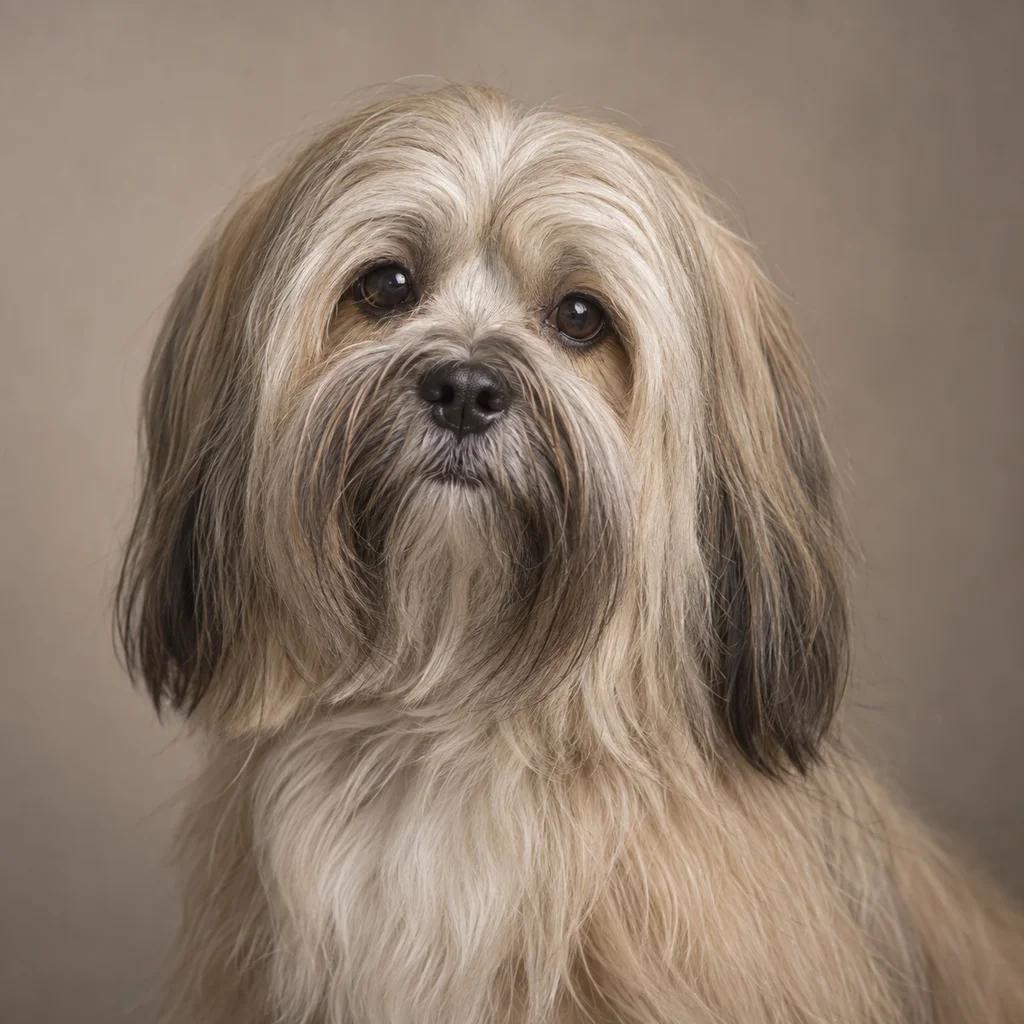
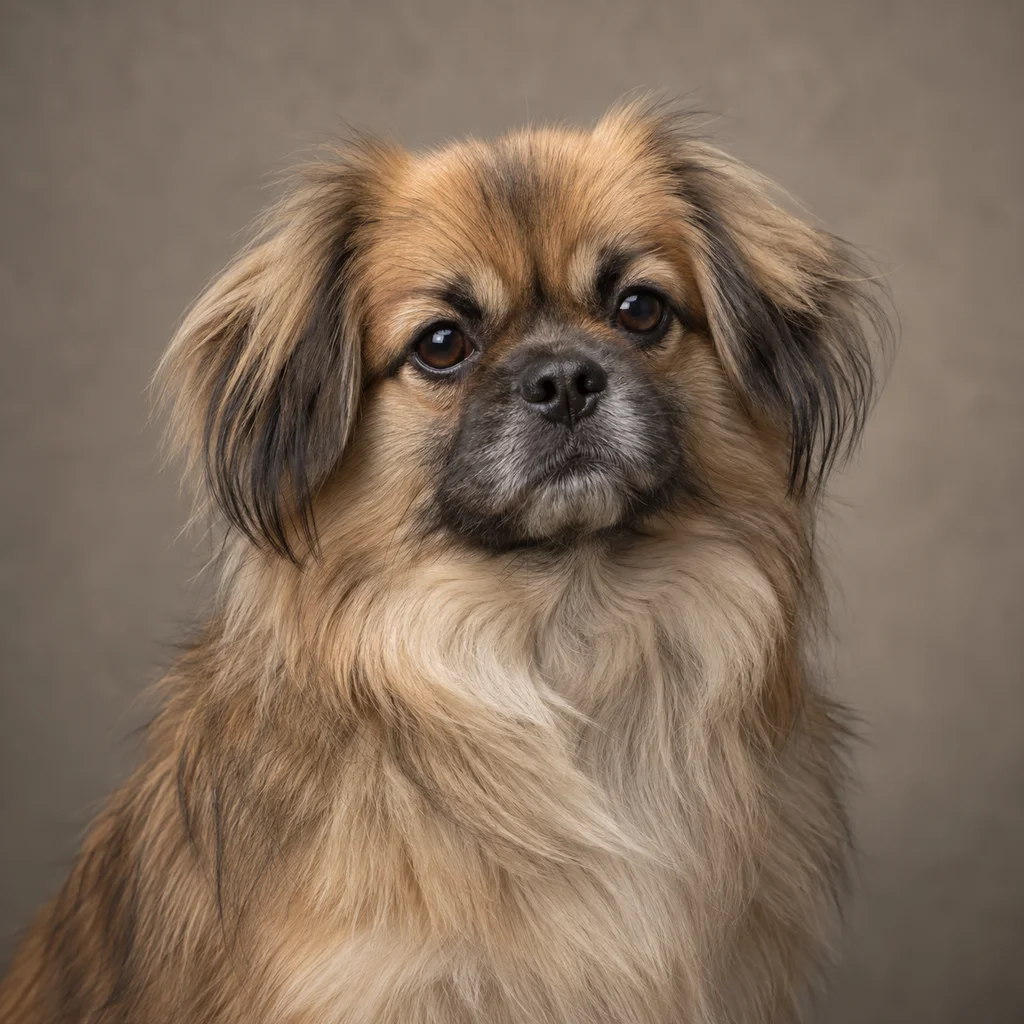
Tibetan Spaniel
Also called Tibbie, Simkhyi.
Small dog, moderate energy, trains well with consistency.
- Assertive
- Independent
- Intelligent
- Happy
- Aloof with strangers
- Size
- Small
- Weight
- 4 to 7 kg9 to 15 lb
- Lives
- 12 to 15 years
- Energy
- Moderate
- Trains
- Moderate
- Barks
- Moderate
Training
Training a Tibetan Spaniel
Utility breeds. Many of these think before they obey. Earn compliance with reward and consistency; they do not do it for free.
Long Memory for Harsh Treatment
Start here
Sensitive breed that remembers harsh treatment. Keep all interactions positive.
Cat-Like Independence
Tibbies think for themselves. Training requires patience and respect for their independent nature.
Early Socialisation
Reserved with strangers; needs extensive early exposure to prevent excessive aloofness.
The app turns this into five to fifteen minutes a day.
Add your Tibetan Spaniel and it builds the plan around their age, where they came from and what they already know, on video with Atlas and Shango.

Free to start. iPhone. No card needed.
At home
Living with one
Breeds developed for a job that no longer exists or never fitted a group. Includes the spitz and primitive breeds.
Gets on with
- ChildrenModerate
- Other dogsHigh
- StrangersLow
- CatsHigh
Breed averages. Early socialisation and the individual dog matter more.
- Exercise
- 30-45 minutes daily. Moderate walks and indoor play. Adaptable to owner lifestyle.
- Grooming
- Moderate. Weekly brushing. More frequent during shedding season.
- Drool
- Very Low
- Coat
- Double coat, Silky, Medium lengthGolden, Cream, White, Red, Black, Black & Tan, Sable
- In a flat
- Can work, with enough exercise outside it.
Health
Things to ask a breeder or vet about
Progressive Retinal Atrophy
Moderate
Inherited eye condition causing gradual vision loss
Patellar Luxation
Mild
Kneecap displacement occasionally seen in the breed
Cherry Eye
Mild
Prolapsed third eyelid gland; may require surgical correction
Where they come from
History
Ancient Tibetan breed kept by Buddhist monks for centuries. Served as "little lions" sitting on monastery walls watching for intruders. Believed to turn prayer wheels.
- Monastery Sentinels · Traditionally perched on high monastery walls as lookouts, alerting monks to approaching visitors