Utility group · Japan/United States
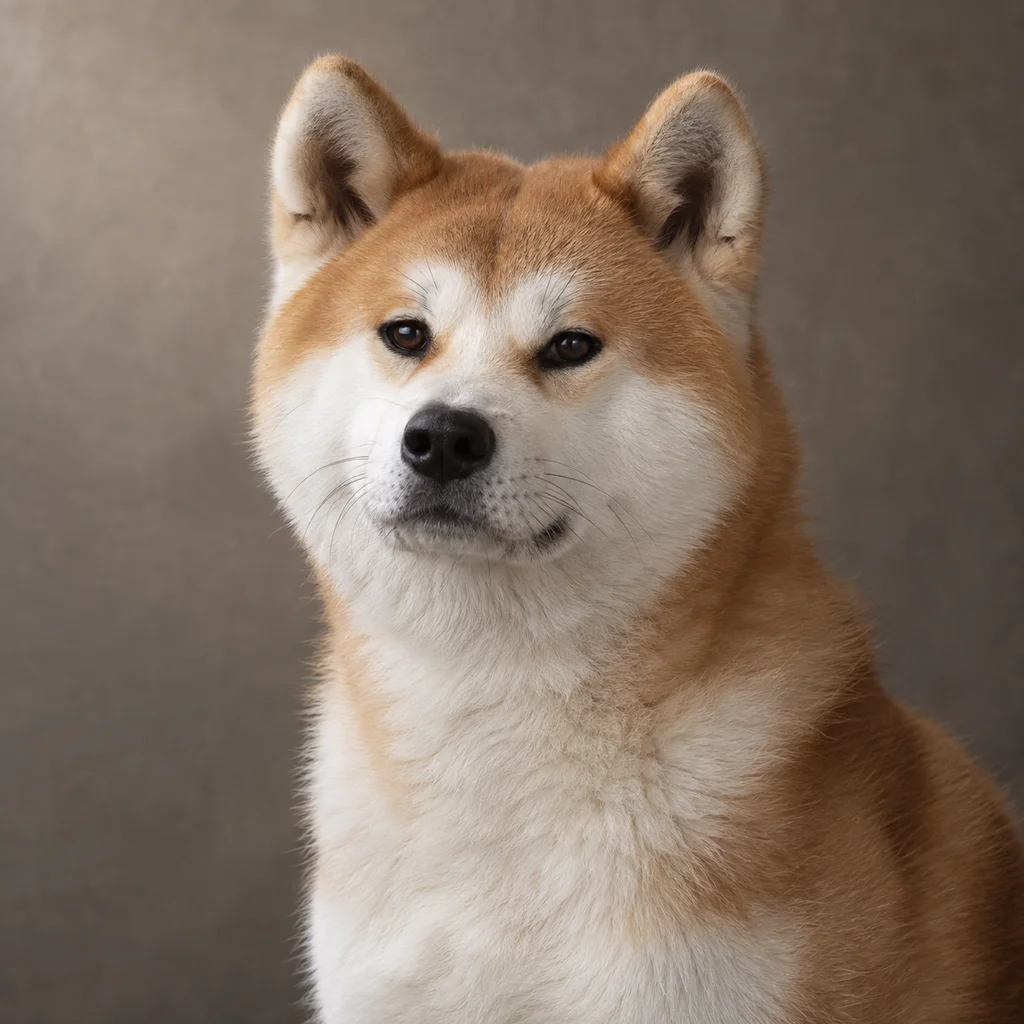
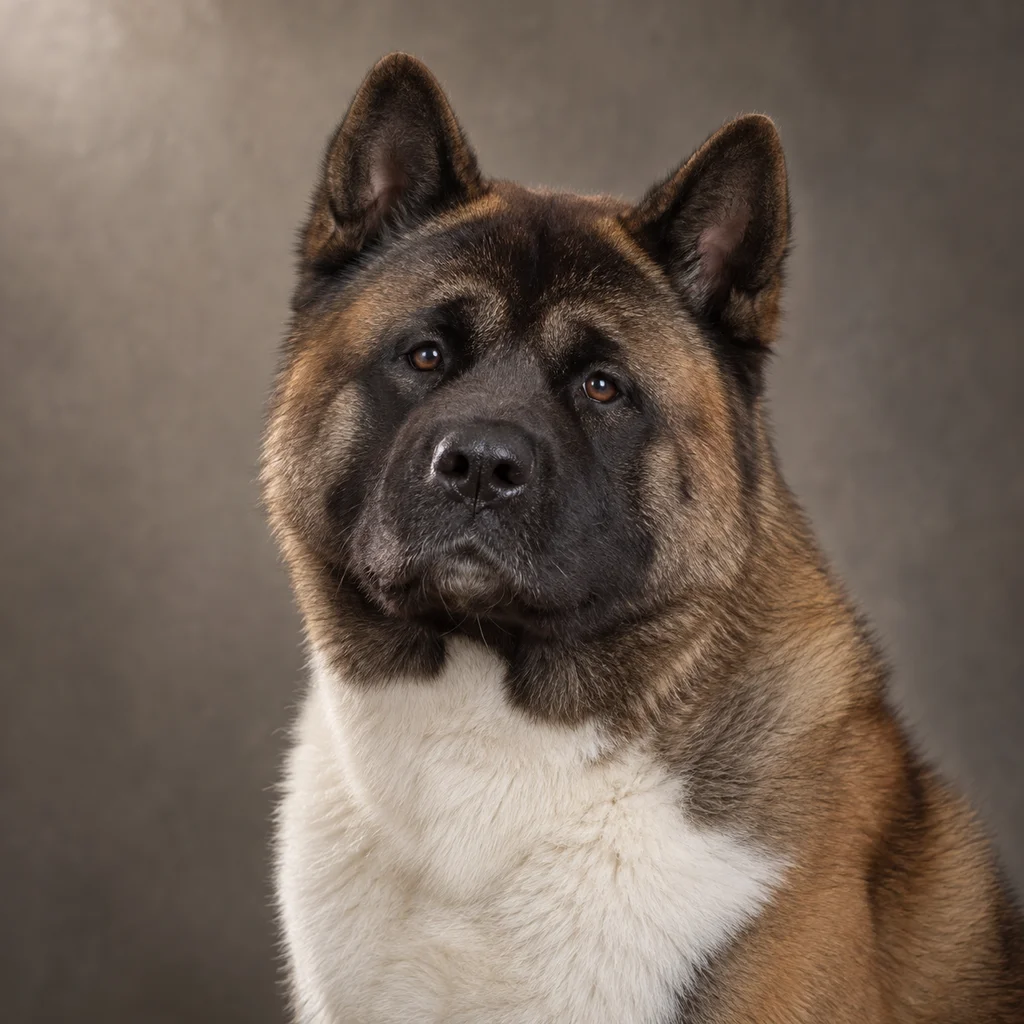
American Akita
Also called Akita, Great Japanese Dog.
Large dog, moderate energy, trains well with consistency.
- Loyal
- Dignified
- Courageous
- Alert
- Independent
- Size
- Large
- Weight
- 32 to 59 kg70 to 130 lb
- Lives
- 10 to 14 years
- Energy
- Moderate
- Trains
- Moderate
- Barks
- Low
Training
Training an American Akita
Utility breeds. Many of these think before they obey. Earn compliance with reward and consistency; they do not do it for free.
Socialise early, and aim for neutral
Start here
The window is roughly 8 to 16 weeks. The goal is not a dog that loves everyone; it is a dog that is calm around strangers and does not react to dogs passing on the street. Miss the window and adolescence is where it shows.
Earn it, every time
An Akita thinks before he obeys. Make it worth his while and mean it every time: same rules, same words, real rewards. Pressure makes him shut down, not comply.
Manage other dogs
Many are dog-selective, especially with the same sex. Controlled introductions, space on walks, no dog parks. A lead and distance are management, not failure.
Short sessions, daily
Five to fifteen minutes a day beats an hour at the weekend. Akitas bore quickly and remember everything, so finish while he still wants more.
The app turns this into five to fifteen minutes a day.
Add your American Akita and it builds the plan around their age, where they came from and what they already know, on video with Atlas and Shango.

Free to start. iPhone. No card needed.
At home
Living with one
Breeds developed for a job that no longer exists or never fitted a group. Includes the spitz and primitive breeds.
Gets on with
- ChildrenModerate
- Other dogsLow
- StrangersLow
- CatsLow
Breed averages. Early socialisation and the individual dog matter more.
- Exercise
- One to two hours a day, ideally as walks with sniffing time and short training. Not a fetch dog; a walking, watching, thinking dog.
- Grooming
- Heavy shedding twice yearly. Weekly brushing, daily during shedding season.
- Drool
- Moderate
- Coat
- Double coat, Dense undercoatWhite, Brindle, Pinto, Red, Fawn
- In a flat
- Needs more space than a flat gives.
Health
Things to ask a breeder or vet about
Hip Dysplasia
Moderate
Joint condition affecting mobility
Bloat (GDV)
Severe
Life-threatening stomach condition
Hypothyroidism
Mild
Thyroid hormone deficiency
Where they come from
History
Descended from the hunting and guarding dogs of Odate in Akita Prefecture, northern Japan. Helen Keller was given the first Akita to reach America in 1937, and US servicemen brought more home after the Second World War. Bred in America from the heavier, darker lines, the type grew larger and broader than its Japanese cousin and was recognised as a separate breed, the American Akita, by the FCI in 1999. The Kennel Club registers it simply as the Akita, in the Utility group.
- Atlas · Dami Randle's Akita, followed by over 110,000 people as @AtlasRandle. The daily plan in the app was built around him.