Working group · Siberia, Russia
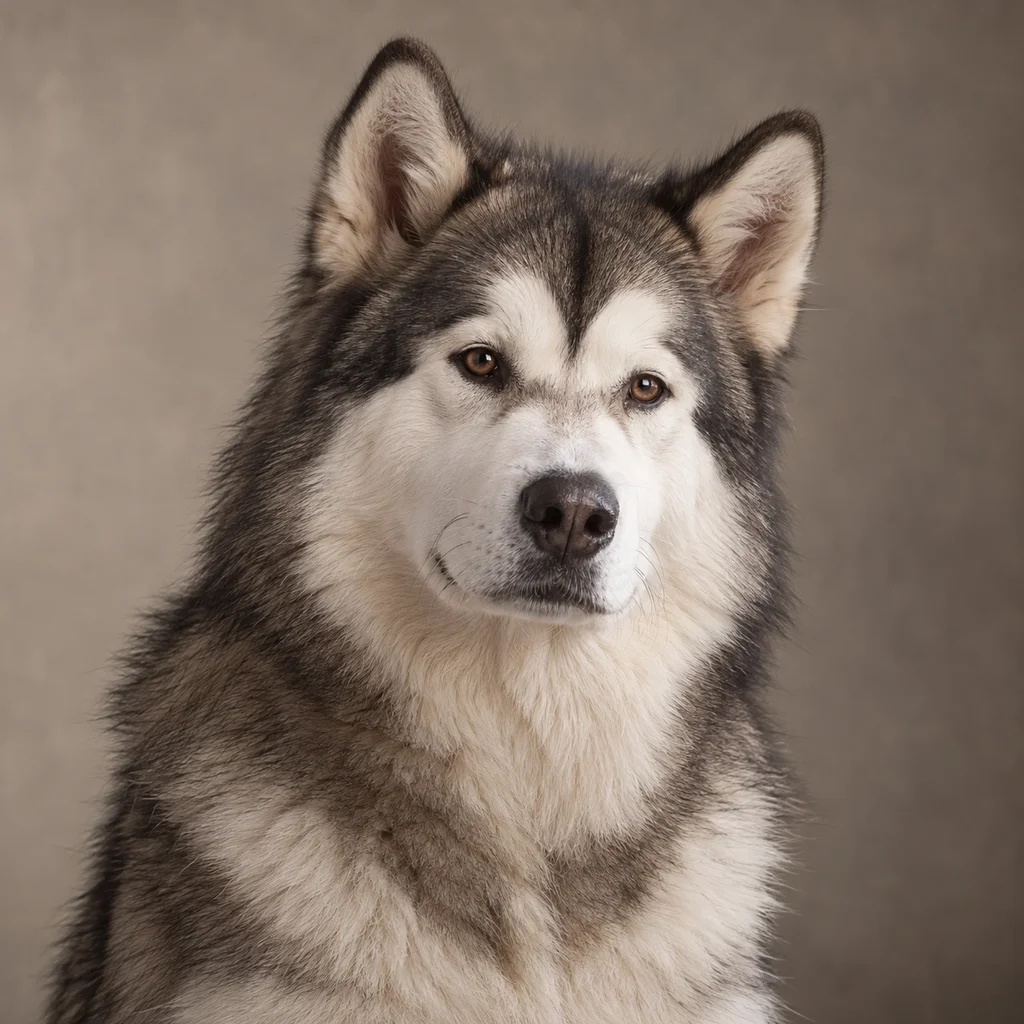
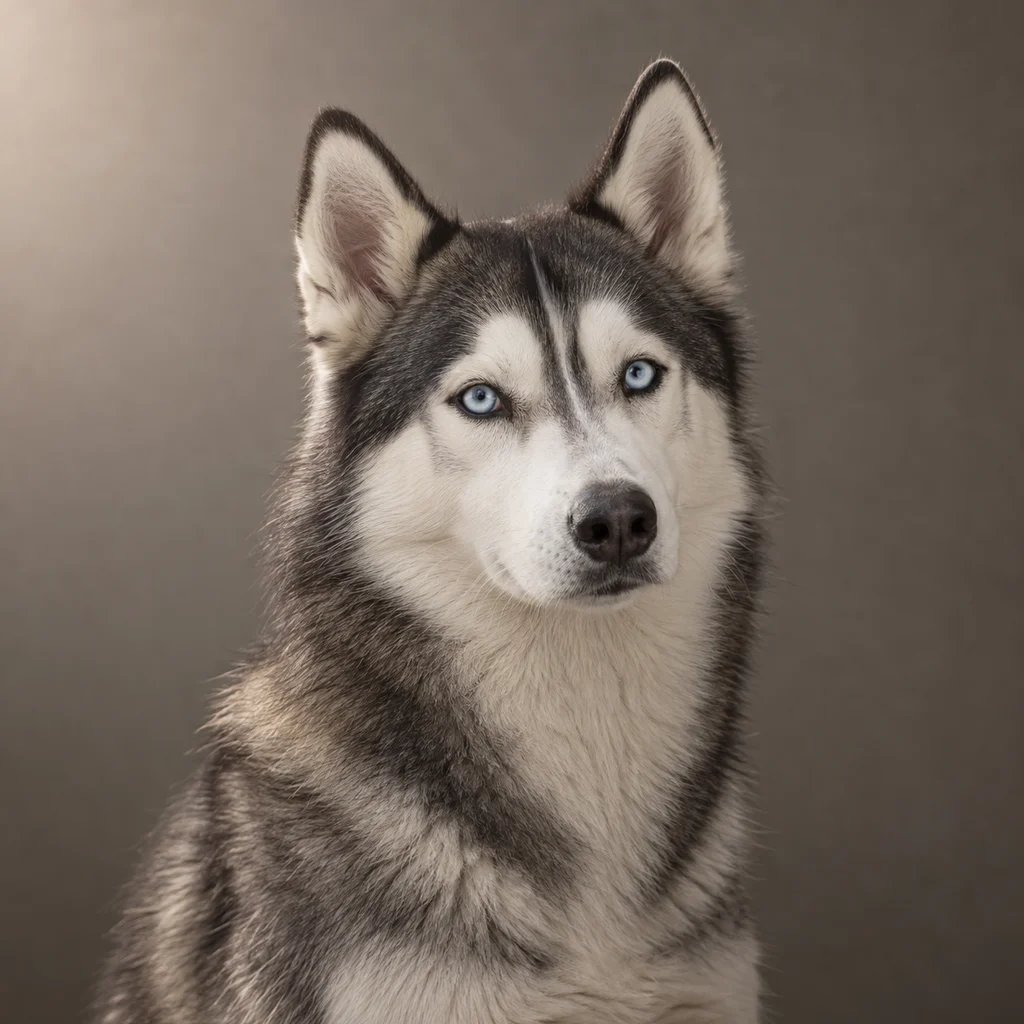
Siberian Husky
Also called Husky, Sibe.
Medium dog, needs a serious amount of exercise, trains well with consistency.
- Outgoing
- Mischievous
- Loyal
- Friendly
- Energetic
- Size
- Medium
- Weight
- 16 to 27 kg35 to 60 lb
- Lives
- 12 to 14 years
- Energy
- Very High
- Trains
- Moderate
- Barks
- High
Training
Training a Siberian Husky
Working breeds. Calm structure beats force every time. These dogs shut down under pressure and thrive on predictability.
Exercise First
Start here
A tired Husky is a trainable Husky. Exercise before training sessions.
Escape Artists
Secure fencing is essential, they dig and climb.
Recall Challenges
Never fully trust off-lead, strong prey drive.
The app turns this into five to fifteen minutes a day.
Add your Siberian Husky and it builds the plan around their age, where they came from and what they already know, on video with Atlas and Shango.

Free to start. iPhone. No card needed.
At home
Living with one
Bred to guard, pull and rescue. Big, strong, and serious about their people and their patch.
Gets on with
- ChildrenHigh
- Other dogsHigh
- StrangersHigh
- CatsLow
Breed averages. Early socialisation and the individual dog matter more.
- Exercise
- 2+ hours daily. Needs running, not just walking.
- Grooming
- Heavy shedding. Weekly brushing, more during coat blow.
- Drool
- Low
- Coat
- Double coat, Medium lengthBlack & White, Grey & White, Red & White, Sable, All White
- In a flat
- Needs more space than a flat gives.
Health
Things to ask a breeder or vet about
Hip Dysplasia
Moderate
Joint condition
Eye Problems
Moderate
Cataracts, PRA common
Where they come from
History
Bred by the Chukchi people of Siberia for sled pulling. Became famous after the 1925 serum run to Nome.
- Balto · Led final leg of 1925 serum run to Nome