Working group · Alaska, USA
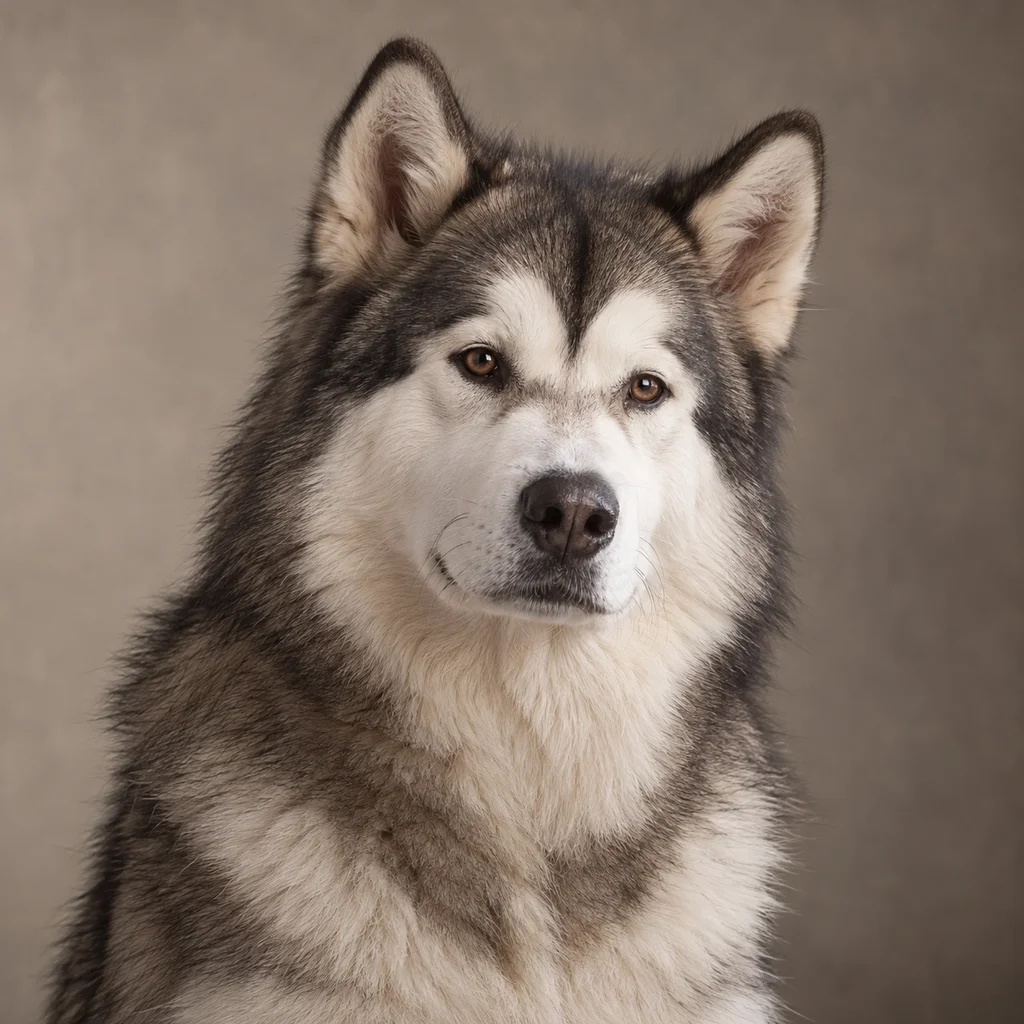
Alaskan Malamute
Also called Malamute, Mal.
Large dog, high energy, trains well with consistency.
- Affectionate
- Loyal
- Playful
- Dignified
- Independent
- Size
- Large
- Weight
- 34 to 39 kg75 to 85 lb
- Lives
- 10 to 14 years
- Energy
- High
- Trains
- Moderate
- Barks
- Moderate
Training
Training an Alaskan Malamute
Working breeds. Calm structure beats force every time. These dogs shut down under pressure and thrive on predictability.
Consistency Over Force
Start here
Independent sled dog. Consistent rules and well-timed rewards work; force never does.
Exercise Requirements
Bred to pull, needs substantial daily exercise.
Prey Drive
High prey drive, caution with small animals.
The app turns this into five to fifteen minutes a day.
Add your Alaskan Malamute and it builds the plan around their age, where they came from and what they already know, on video with Atlas and Shango.

Free to start. iPhone. No card needed.
At home
Living with one
Bred to guard, pull and rescue. Big, strong, and serious about their people and their patch.
Gets on with
- ChildrenHigh
- Other dogsModerate
- StrangersHigh
- CatsLow
Breed averages. Early socialisation and the individual dog matter more.
- Exercise
- 2+ hours daily. Heavy exercise including pulling, hiking.
- Grooming
- Heavy shedding twice yearly. Daily brushing during coat blow.
- Drool
- Low
- Coat
- Double coat, Dense, Medium lengthGrey & White, Black & White, Red & White, Sable & White
- In a flat
- Needs more space than a flat gives.
Health
Things to ask a breeder or vet about
Hip Dysplasia
Moderate
Common in large breeds
Chondrodysplasia
Moderate
Dwarfism gene
Day Blindness
Mild
Cone degeneration
Where they come from
History
Developed by the Mahlemut Inuit people of Alaska for hauling heavy freight over long distances.