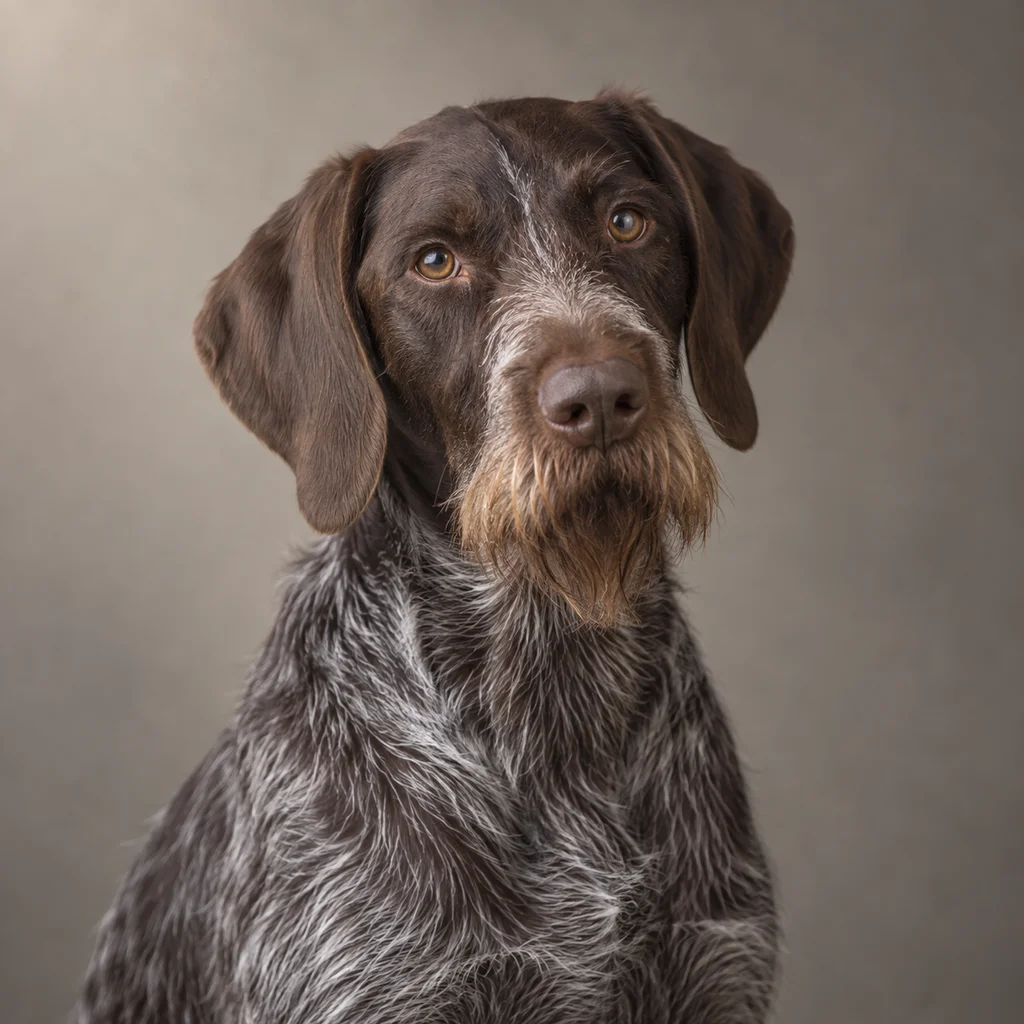
Gundog group · Germany
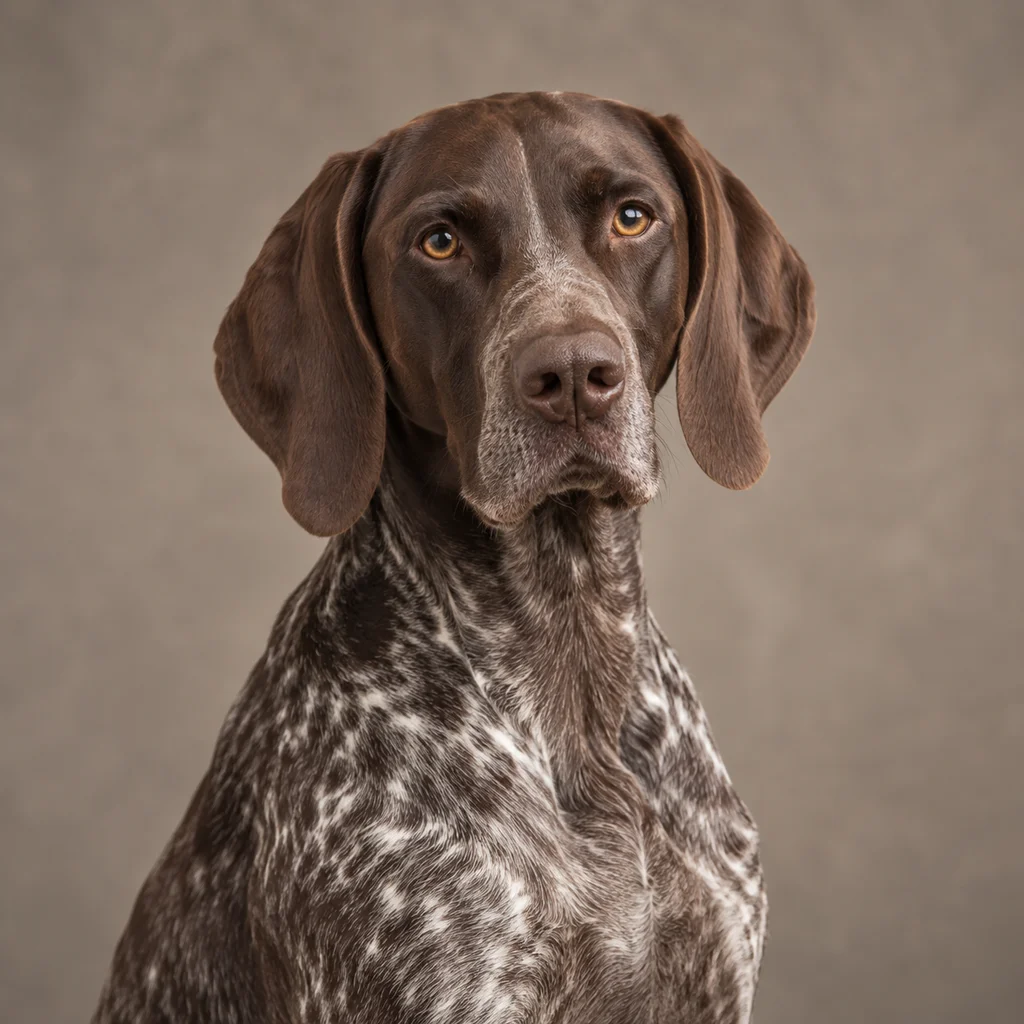
German Shorthaired Pointer
Also called GSP, Deutsch Kurzhaar.
Large dog, needs a serious amount of exercise, learns almost anything, fast.
- Friendly
- Smart
- Willing
- Enthusiastic
- Bold
- Size
- Large
- Weight
- 20 to 32 kg45 to 70 lb
- Lives
- 10 to 12 years
- Energy
- Very High
- Trains
- Very High
- Barks
- Moderate
Training
Training a German Shorthaired Pointer
Gundog breeds. Quick to learn and quick to get over-excited. The work is calm around distractions, not obedience.
Mental and Physical Exercise
Start here
GSPs need both brain work and body work. Combine obedience training with field activities for best results.
Versatility Training
These all-around athletes excel at many activities: hunting, agility, dock diving, and more. Variety prevents boredom.
Consistent Boundaries
Their intelligence and energy can lead to mischief without clear rules. Start training early and maintain consistency.
The app turns this into five to fifteen minutes a day.
Add your German Shorthaired Pointer and it builds the plan around their age, where they came from and what they already know, on video with Atlas and Shango.

Free to start. iPhone. No card needed.
At home
Living with one
Bred to find, flush and retrieve game alongside a person. Biddable, busy, and happiest with a job.
Gets on with
- ChildrenHigh
- Other dogsHigh
- StrangersHigh
- CatsLow
Breed averages. Early socialisation and the individual dog matter more.
- Exercise
- 2+ hours daily. Vigorous exercise essential, running, swimming, and field work ideal. Not suitable for sedentary households.
- Grooming
- Low. Weekly brushing and occasional bathing. Easy-care coat but ears need regular cleaning.
- Drool
- Low
- Coat
- Short, Dense, Water-repellentLiver, Liver and White, Liver Roan, Liver and White Patched
- In a flat
- Needs more space than a flat gives.
Health
Things to ask a breeder or vet about
Hip Dysplasia
Moderate
Joint condition requiring health screening of breeding dogs
Bloat (GDV)
Severe
Deep-chested breeds at higher risk for stomach torsion
Cone Degeneration
Mild
Day blindness condition that can be tested for genetically
Where they come from
History
Developed in Germany in the 1800s as an all-purpose hunting dog capable of pointing, retrieving on land and water, and tracking wounded game. Created by crossing German Bird Dogs with English Pointers and various tracking hounds, resulting in one of the most versatile sporting breeds.
- CJ · Best in Show winner at the 2016 Westminster Kennel Club Dog Show, showcasing breed excellence