Gundog group · England
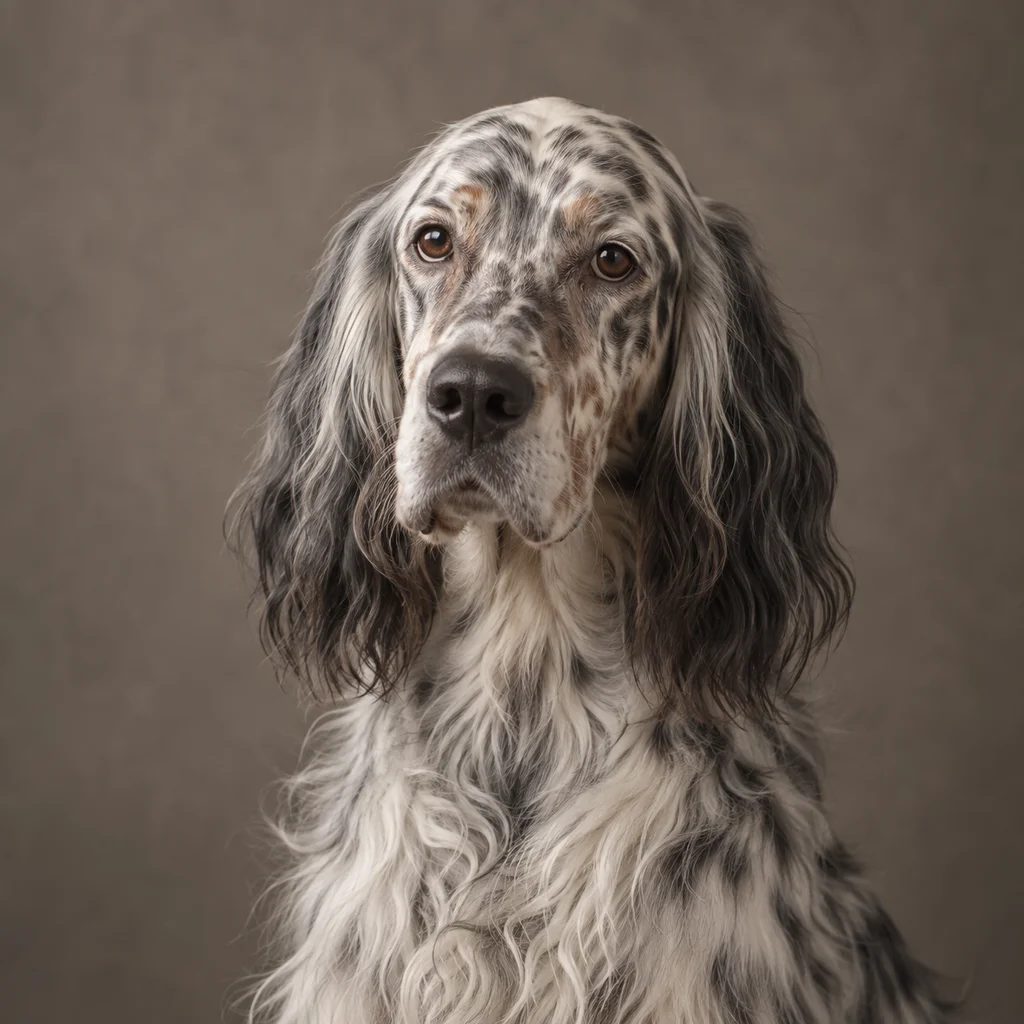
English Setter
Also called Laverack Setter, Llewellin Setter.
Large dog, high energy, trains well with consistency.
- Gentle
- Friendly
- Merry
- Willful
- Affectionate
- Size
- Large
- Weight
- 20 to 36 kg45 to 80 lb
- Lives
- 12 to 15 years
- Energy
- High
- Trains
- Moderate
- Barks
- Moderate
Training
Training an English Setter
Gundog breeds. Quick to learn and quick to get over-excited. The work is calm around distractions, not obedience.
Early Socialisation
Start here
Expose to various people, dogs, and environments early to develop confidence and good social skills.
Patience with Independence
English Setters can be stubborn and independent. Use consistent, patient training with plenty of positive reinforcement.
Channel Hunting Instincts
Provide scent work games and field activities to satisfy their natural bird-hunting drive.
The app turns this into five to fifteen minutes a day.
Add your English Setter and it builds the plan around their age, where they came from and what they already know, on video with Atlas and Shango.

Free to start. iPhone. No card needed.
At home
Living with one
Bred to find, flush and retrieve game alongside a person. Biddable, busy, and happiest with a job.
Gets on with
- ChildrenHigh
- Other dogsHigh
- StrangersHigh
- CatsModerate
Breed averages. Early socialisation and the individual dog matter more.
- Exercise
- 1-2 hours daily. Thrives with running, hiking, and field work. Needs space to roam.
- Grooming
- Moderate to high. Regular brushing 2-3 times weekly to prevent matting, especially behind ears and on feathering.
- Drool
- Low
- Coat
- Long, Flat, Silky, FeatheredBlue Belton, Orange Belton, Tricolour, Lemon Belton, Liver Belton
- In a flat
- Needs more space than a flat gives.
Health
Things to ask a breeder or vet about
Hip Dysplasia
Moderate
Joint malformation affecting mobility, common in larger breeds
Elbow Dysplasia
Moderate
Developmental abnormality of the elbow joint
Deafness
Moderate
Congenital deafness, more common in predominantly white dogs
Where they come from
History
Developed in England over 400 years ago as a bird dog that would set (crouch) upon finding game. The breed was refined by Edward Laverack and R.L. Purcell Llewellin in the 1800s, leading to the show and field lines seen today.
- Count Noble · Famous foundation sire imported to America in 1875, influential in establishing the breed in the United States