Gundog group · United States
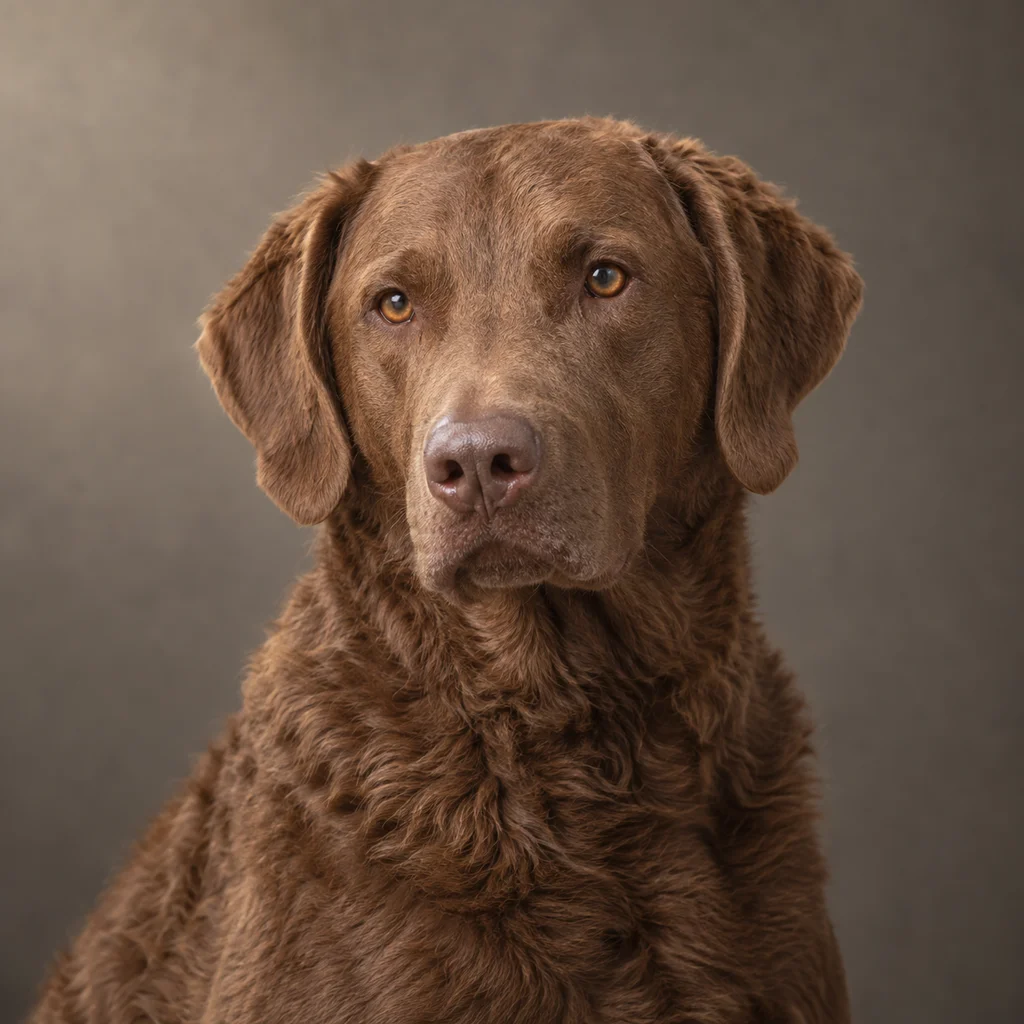
Chesapeake Bay Retriever
Also called Chessie, CBR.
Large dog, high energy, trains well with consistency.
- Affectionate
- Bright
- Sensitive
- Protective
- Strong
- Size
- Large
- Weight
- 25 to 36 kg55 to 80 lb
- Lives
- 10 to 13 years
- Energy
- High
- Trains
- Moderate
- Barks
- Moderate
Training
Training a Chesapeake Bay Retriever
Gundog breeds. Quick to learn and quick to get over-excited. The work is calm around distractions, not obedience.
Independent Thinker
Start here
Unlike eager-to-please Labs, Chessies are independent. Earn their respect with confident, consistent handling.
Early Socialisation
Natural protective instincts require extensive early socialisation to prevent wariness or aggression.
Water Work Excellence
Bred for harsh Chesapeake Bay conditions. Incorporate cold-water retrieves to satisfy their instincts.
The app turns this into five to fifteen minutes a day.
Add your Chesapeake Bay Retriever and it builds the plan around their age, where they came from and what they already know, on video with Atlas and Shango.

Free to start. iPhone. No card needed.
At home
Living with one
Bred to find, flush and retrieve game alongside a person. Biddable, busy, and happiest with a job.
Gets on with
- ChildrenHigh
- Other dogsModerate
- StrangersLow
- CatsLow
Breed averages. Early socialisation and the individual dog matter more.
- Exercise
- 1-2 hours daily. Swimming is ideal. Bred for endurance in harsh conditions.
- Grooming
- Low to moderate. Weekly brushing. Oily, waterproof coat should not be over-bathed.
- Drool
- Moderate
- Coat
- Double coat, Dense, Oily, Water-resistant, WavyBrown, Sedge, Deadgrass
- In a flat
- Needs more space than a flat gives.
Health
Things to ask a breeder or vet about
Hip Dysplasia
Moderate
Joint condition requiring screening in breeding dogs
Progressive Retinal Atrophy
Moderate
Degenerative eye disease leading to blindness
Bloat (GDV)
Severe
Deep-chested breed at risk for life-threatening stomach torsion
Where they come from
History
Developed in the Chesapeake Bay region of Maryland and Virginia in the 19th century. Legend traces origins to two Newfoundland puppies rescued from a shipwreck in 1807. Bred to retrieve waterfowl in the harsh, icy waters of the Bay. Known for incredible endurance and determination.
- Sailor and Canton · The legendary Newfoundland puppies rescued from the shipwreck who are credited as breed foundation