Working group · Germany
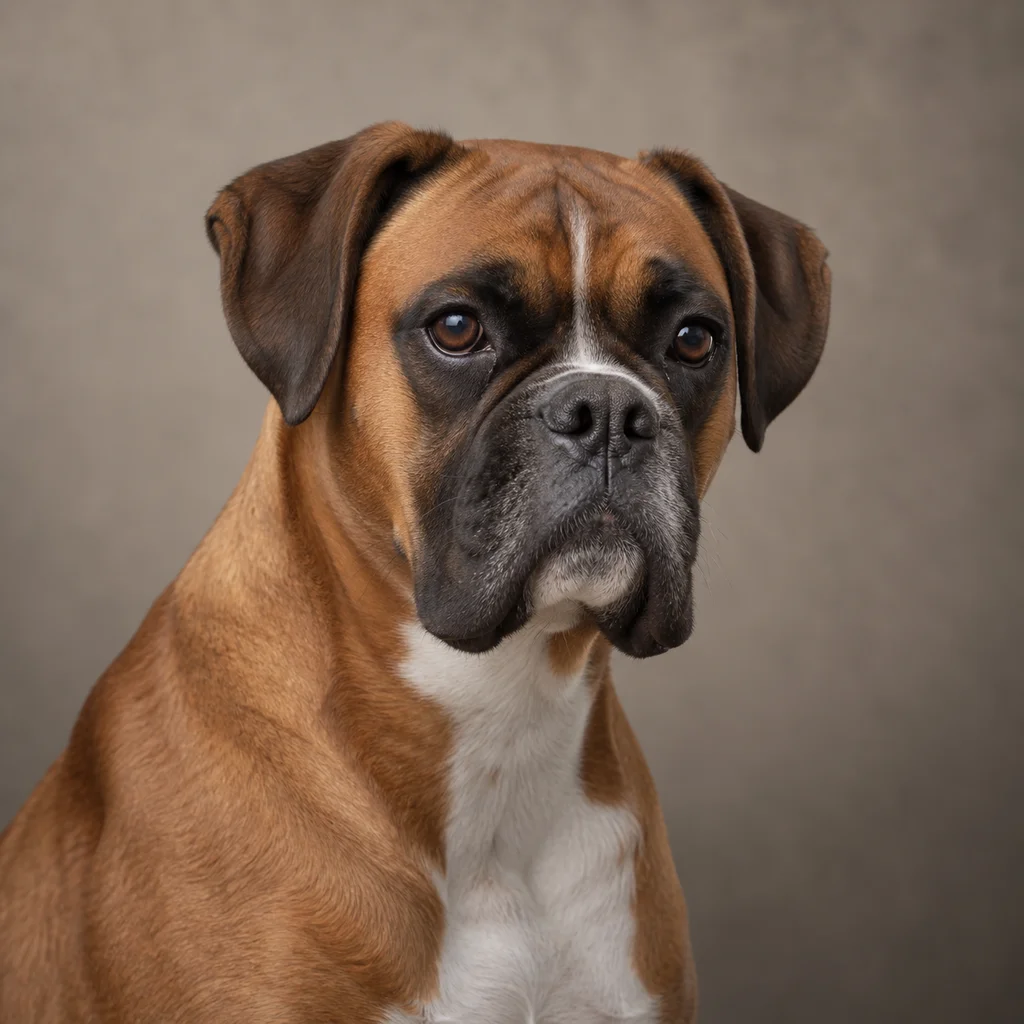
Boxer
Also called German Boxer, Deutscher Boxer.
Large dog, high energy, quick to learn.
- Fun-loving
- Bright
- Active
- Loyal
- Playful
- Size
- Large
- Weight
- 25 to 36 kg55 to 80 lb
- Lives
- 10 to 12 years
- Energy
- High
- Trains
- High
- Barks
- Moderate
Training
Training a Boxer
Working breeds. Calm structure beats force every time. These dogs shut down under pressure and thrive on predictability.
Keep It Fun
Start here
Boxers respond best to upbeat, game-like training.
Heat Sensitivity
Short snout makes them heat-sensitive, train in cool conditions.
Patience with Maturity
Remain puppy-like until 3+ years old.
The app turns this into five to fifteen minutes a day.
Add your Boxer and it builds the plan around their age, where they came from and what they already know, on video with Atlas and Shango.

Free to start. iPhone. No card needed.
At home
Living with one
Bred to guard, pull and rescue. Big, strong, and serious about their people and their patch.
Gets on with
- ChildrenHigh
- Other dogsModerate
- StrangersHigh
- CatsModerate
Breed averages. Early socialisation and the individual dog matter more.
- Exercise
- 1-2 hours daily. Loves play sessions and running.
- Grooming
- Minimal. Weekly brushing and occasional baths.
- Drool
- Moderate
- Coat
- Short, SmoothFawn, Brindle, White markings
- In a flat
- Can work, with enough exercise outside it.
Health
Things to ask a breeder or vet about
Cancer
Severe
Higher cancer rates than average
Heart Conditions
Moderate
Boxer cardiomyopathy
Hip Dysplasia
Moderate
Joint issues
Where they come from
History
Developed in Germany in the late 19th century from the Bullenbeisser and English Bulldog.