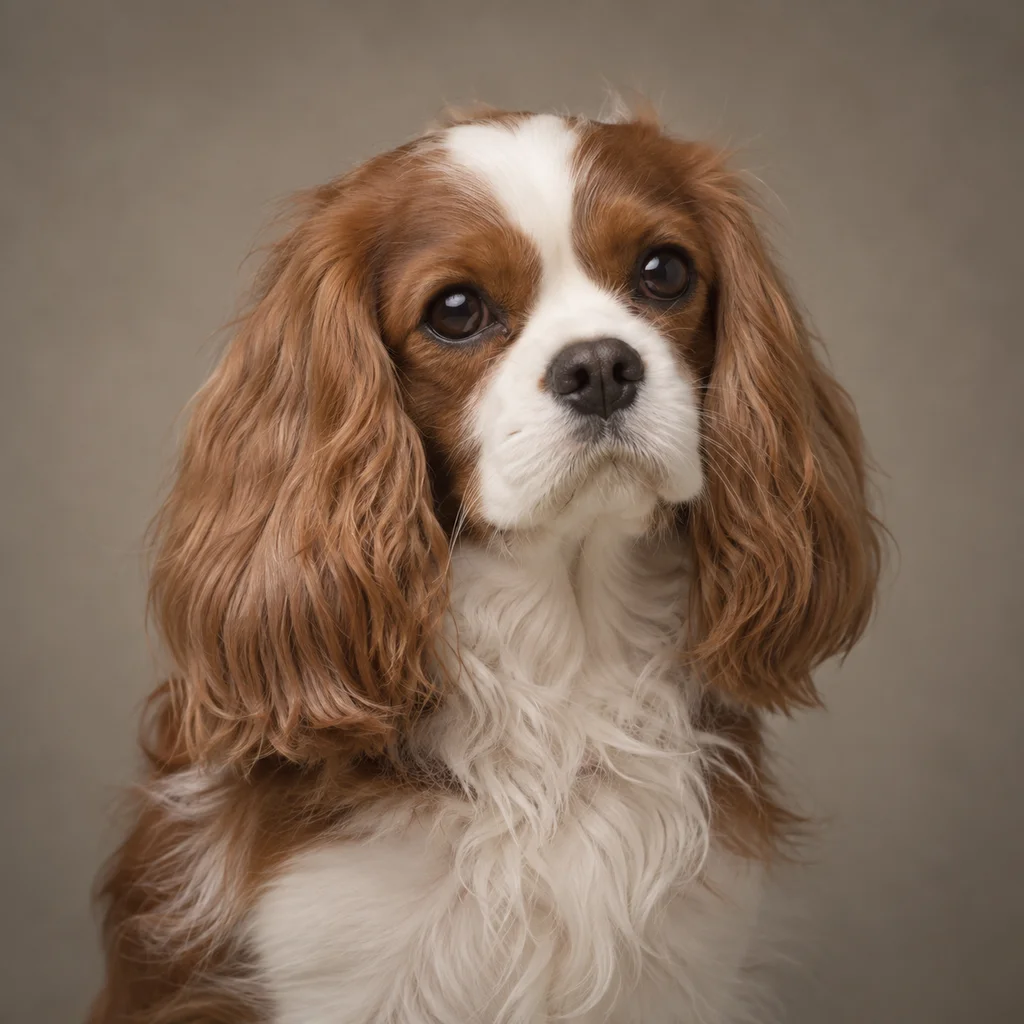
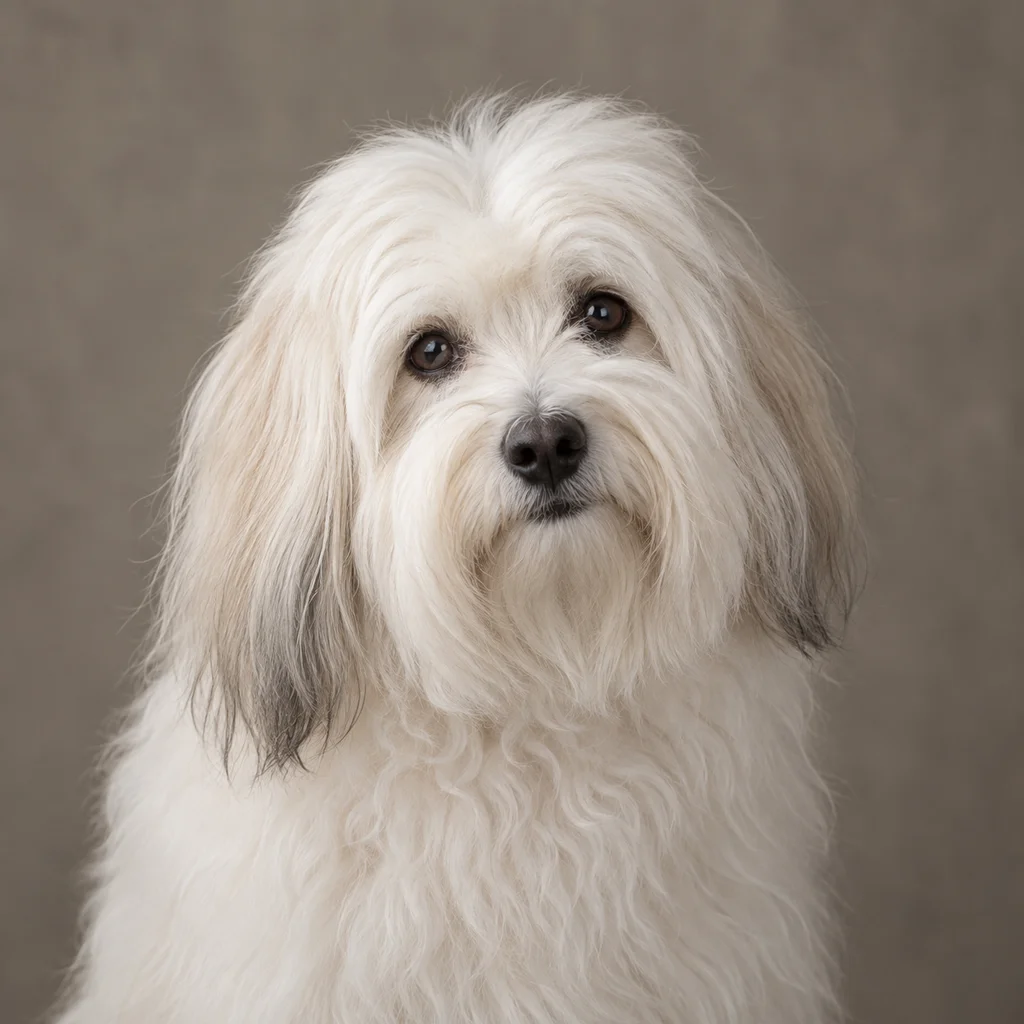
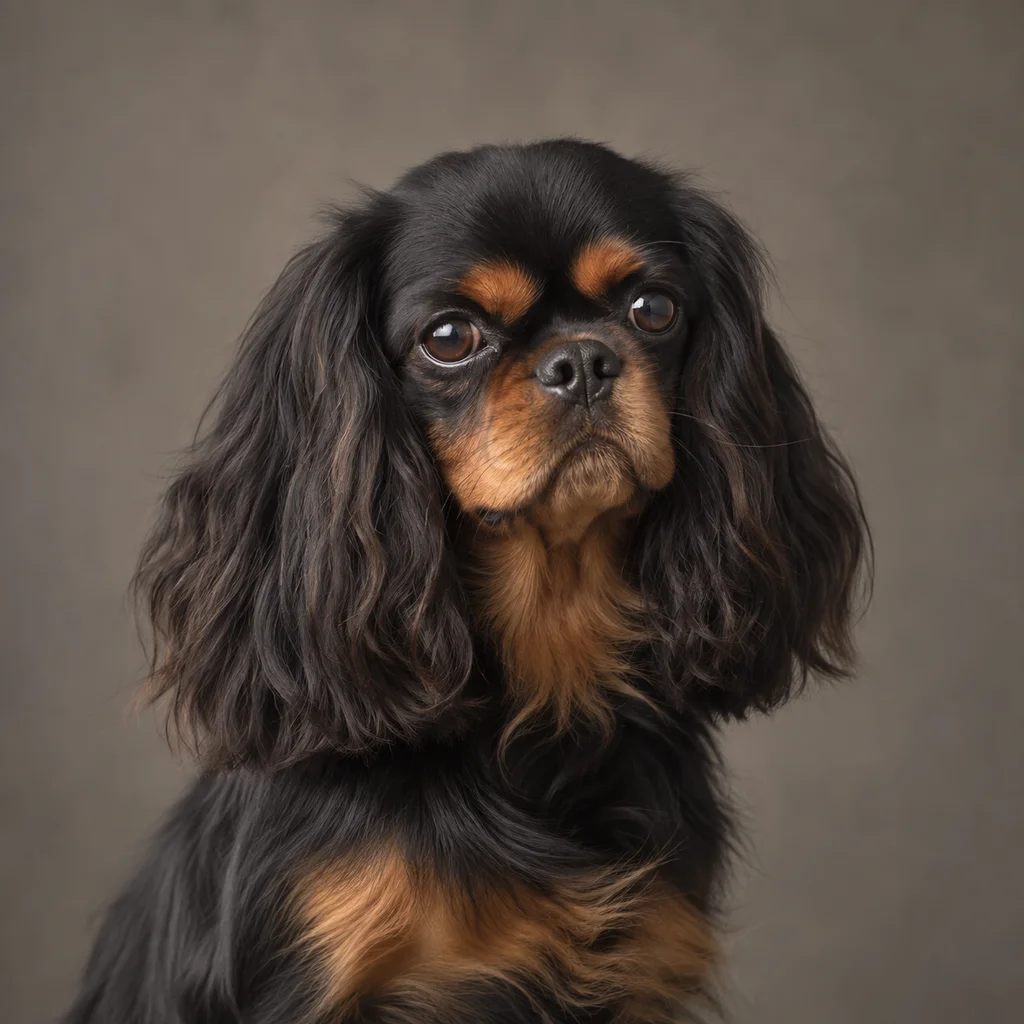
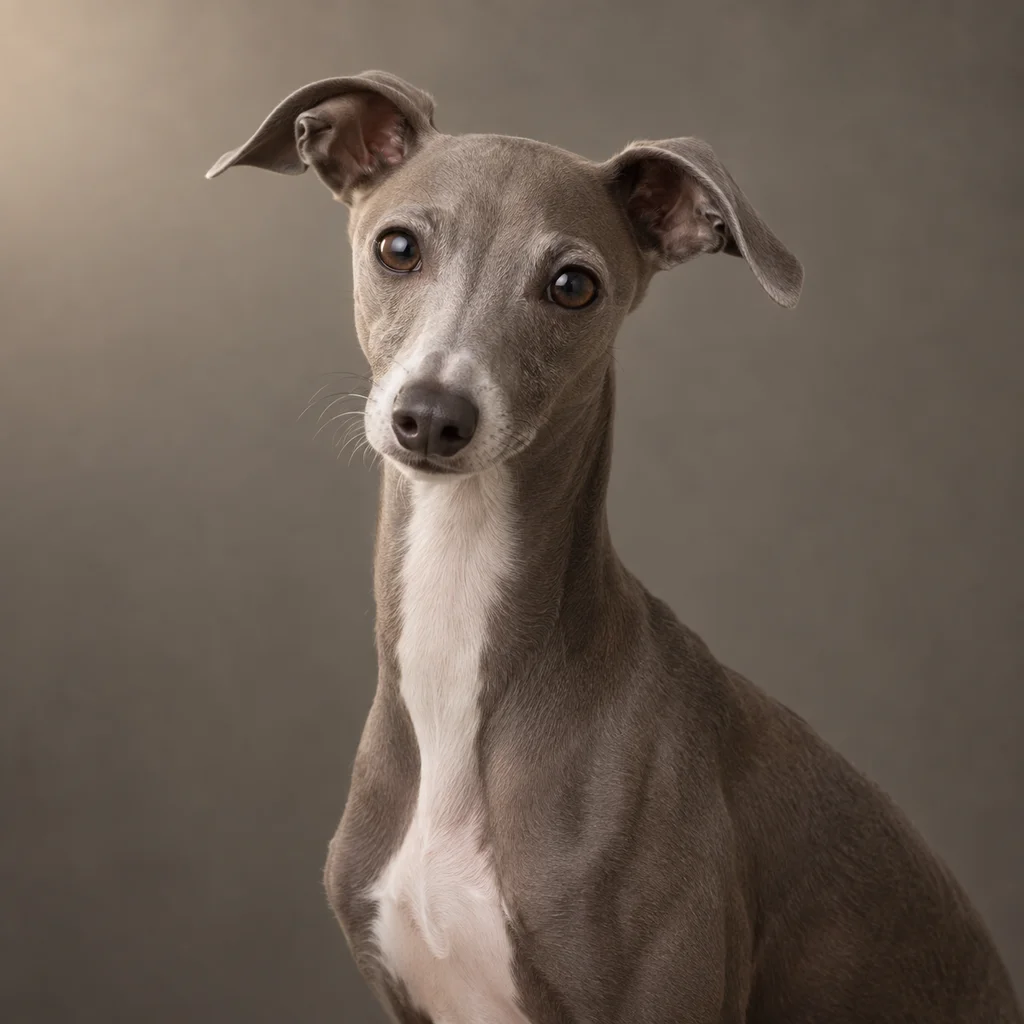
Toy group · Spain/Belgium
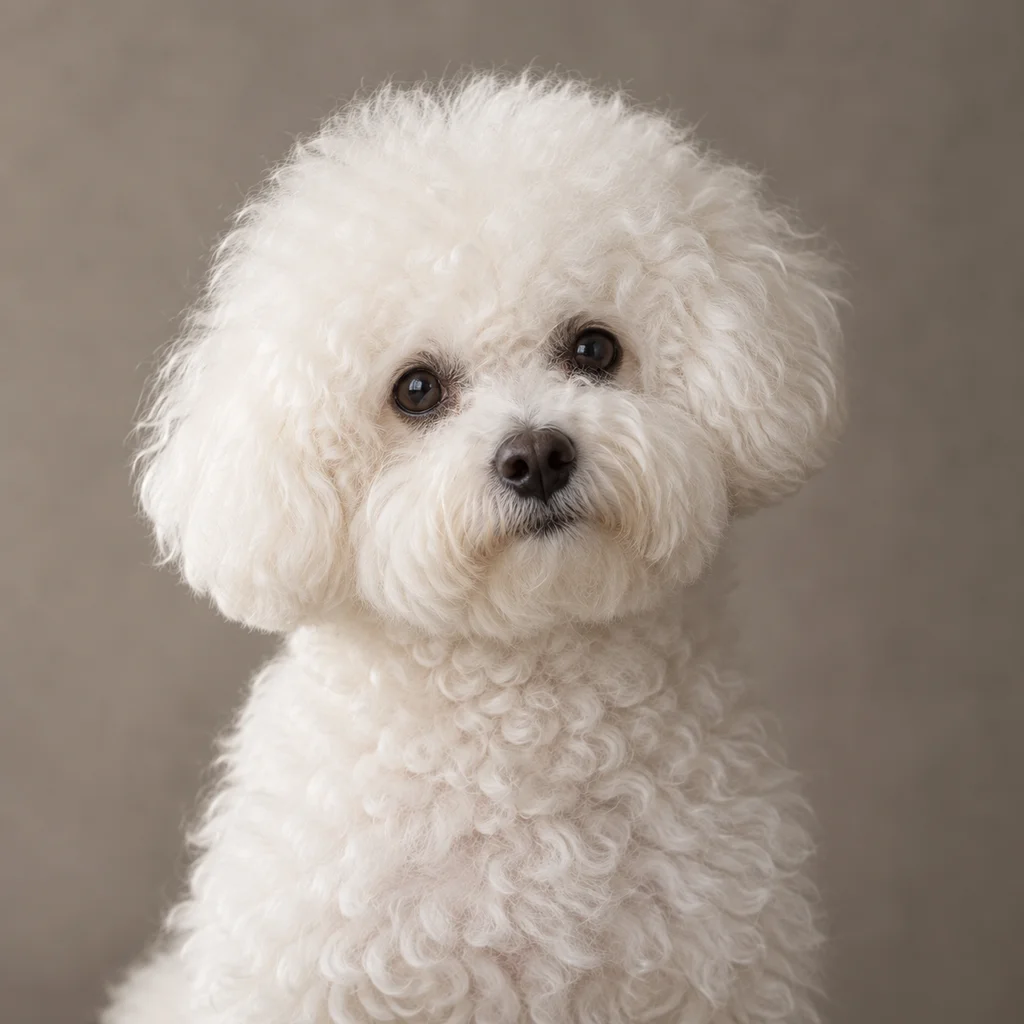
Bichon Frise
Also called Bichon, Bichon Tenerife, Bichon a Poil Frise.
Small dog, moderate energy, quick to learn.
- Playful
- Curious
- Peppy
- Gentle
- Cheerful
- Size
- Small
- Weight
- 5 to 8 kg12 to 18 lb
- Lives
- 14 to 15 years
- Energy
- Moderate
- Trains
- High
- Barks
- Moderate
Training
Training a Bichon Frise
Toy breeds. Train them like a dog, not an ornament. Small dogs skip the manners work because they can be picked up.
Consistent Housetraining
Start here
Bichons can be challenging to housetrain. Use crate training and maintain a strict schedule.
Trick Training
Natural performers who love learning tricks. Use this for mental stimulation and bonding.
Prevent Separation Anxiety
Velcro dogs that bond closely. Practice short absences early to build independence.
The app turns this into five to fifteen minutes a day.
Add your Bichon Frise and it builds the plan around their age, where they came from and what they already know, on video with Atlas and Shango.

Free to start. iPhone. No card needed.
At home
Living with one
Bred for company. Small in body, and often bigger in personality than the owner expected.
Gets on with
- ChildrenHigh
- Other dogsHigh
- StrangersHigh
- CatsHigh
Breed averages. Early socialisation and the individual dog matter more.
- Exercise
- 30-45 minutes daily. Enjoys play sessions and short walks. Indoor play often sufficient.
- Grooming
- High maintenance. Professional grooming every 4-6 weeks. Daily brushing to prevent matting.
- Drool
- Very Low
- Coat
- Curly, Silky, Double coatWhite, White & Apricot, White & Cream
- In a flat
- Can work, with enough exercise outside it.
Health
Things to ask a breeder or vet about
Allergies
Moderate
Prone to skin allergies and food sensitivities causing itching and hot spots
Patellar Luxation
Moderate
Kneecap displacement requiring potential surgical correction
Dental Disease
Moderate
Small mouths lead to overcrowded teeth and periodontal issues
Where they come from
History
Descended from Water Spaniels and developed in the Mediterranean. Became favourites of European nobility, particularly in France. Nearly extinct after both World Wars but saved by dedicated breeders.
- Renaissance Court Dogs · Frequently depicted in paintings by Goya and other Spanish masters, favourites of royal courts