Utility group · Japan
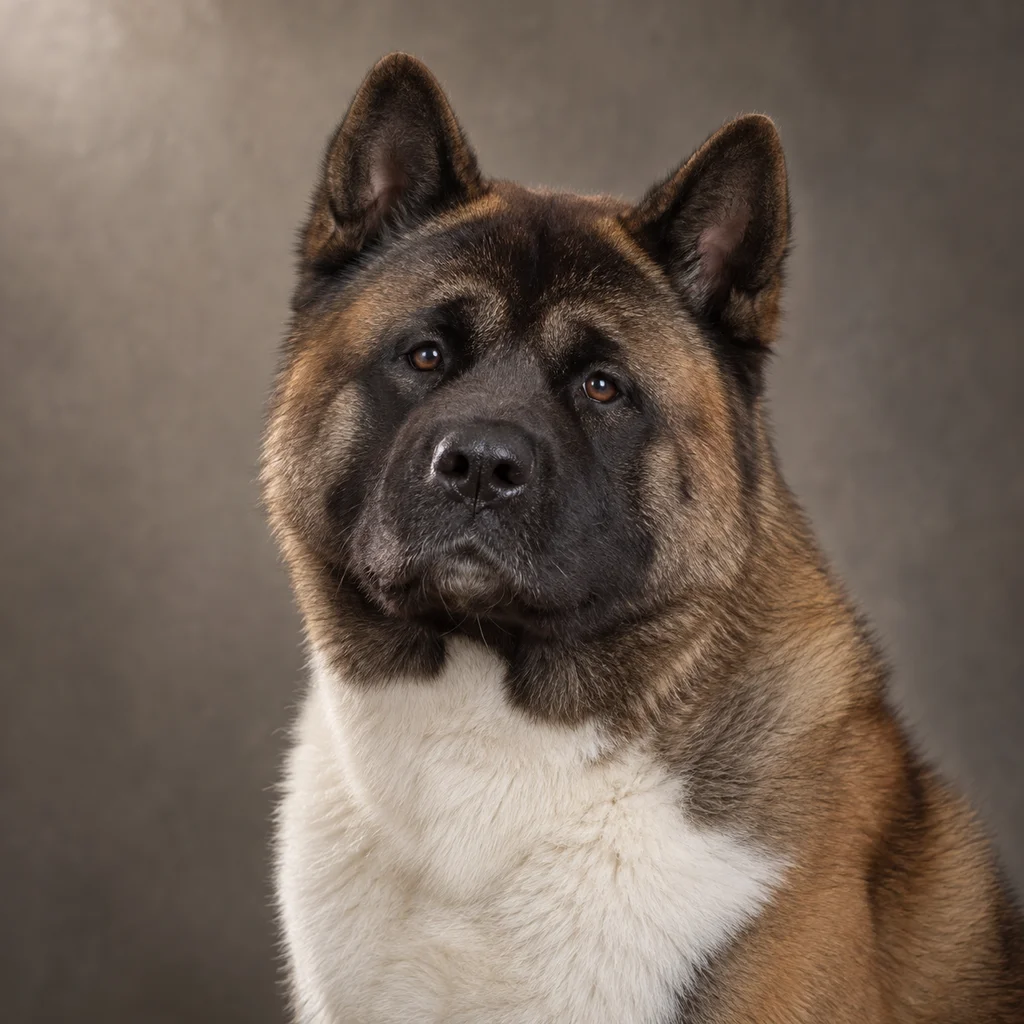
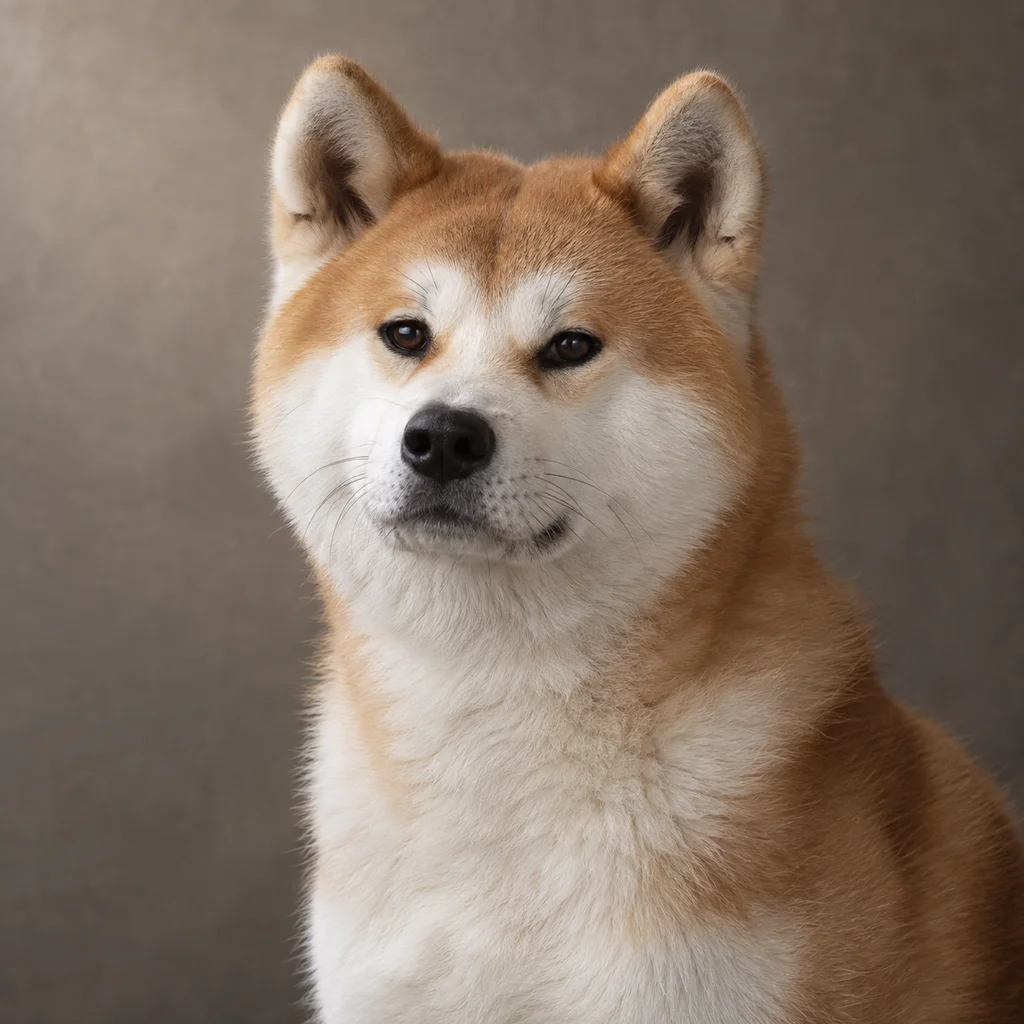
Akita Inu
Also called Japanese Akita, Akita Ken, Japanese Akita Inu.
Large dog, moderate energy, trains well with consistency.
- Loyal
- Dignified
- Reserved
- Alert
- Courageous
- Size
- Large
- Weight
- 25 to 45 kg55 to 100 lb
- Lives
- 10 to 13 years
- Energy
- Moderate
- Trains
- Moderate
- Barks
- Low
Training
Training an Akita Inu
Utility breeds. Many of these think before they obey. Earn compliance with reward and consistency; they do not do it for free.
Early Socialisation
Start here
Essential for this naturally reserved breed. Expose to many people and situations young.
Respect Their Intelligence
Japanese Akitas are thoughtful, they may pause to consider commands, not defy them.
Patience Over Force
This ancient breed responds to calm, consistent handling. Reward the behaviour you want; harsh methods lose their trust for good.
The app turns this into five to fifteen minutes a day.
Add your Akita Inu and it builds the plan around their age, where they came from and what they already know, on video with Atlas and Shango.

Free to start. iPhone. No card needed.
At home
Living with one
Breeds developed for a job that no longer exists or never fitted a group. Includes the spitz and primitive breeds.
Gets on with
- ChildrenModerate
- Other dogsLow
- StrangersLow
- CatsLow
Breed averages. Early socialisation and the individual dog matter more.
- Exercise
- One to two hours a day. Walks, hills and a garden to patrol.
- Grooming
- Heavy seasonal shedding. Weekly brushing, daily during coat blow.
- Drool
- Low
- Coat
- Double coat, Harsh outer coat, Soft undercoatRed Fawn, Sesame, Brindle, White
- In a flat
- Needs more space than a flat gives.
Health
Things to ask a breeder or vet about
Hip Dysplasia
Moderate
Joint condition affecting mobility
Progressive Retinal Atrophy
Moderate
Degenerative eye condition
Autoimmune Diseases
Moderate
Various immune system conditions
Where they come from
History
One of Japan's oldest native breeds and a National Natural Monument since 1931. Used for hunting bear, boar and deer in the mountains of northern Japan. The Kennel Club registers it as the Japanese Akita Inu, separate from the Akita (American type), in the Utility group.
- Hachiko · Waited at Shibuya Station every day for nine years after his owner died; a statue stands there now