Toy group · Australia
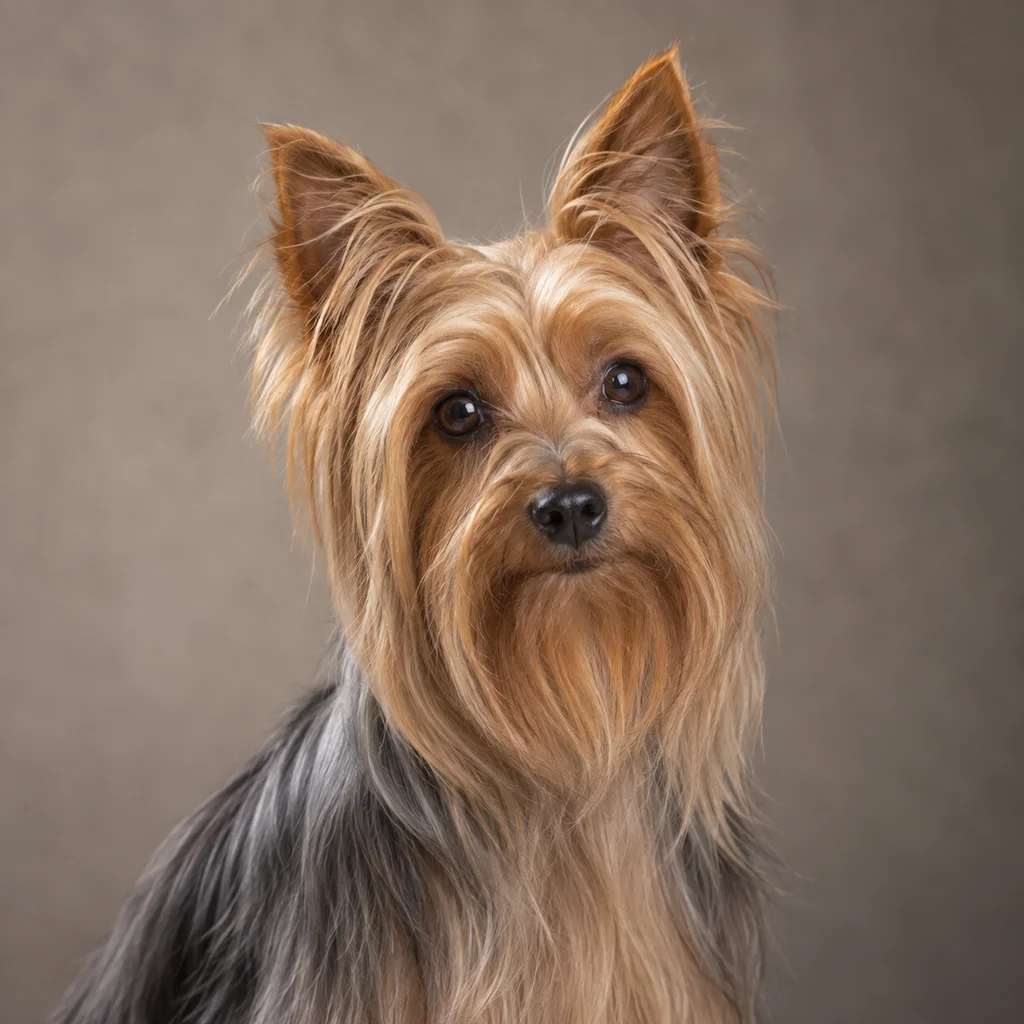
Silky Terrier
Also called Australian Silky Terrier, Sydney Terrier, Sydney Silky.
Tiny dog, high energy, trains well with consistency.
- Friendly
- Quick
- Alert
- Keenly
- Joy-loving
- Size
- Toy
- Weight
- 5 to 5 kg10 to 11 lb
- Lives
- 13 to 15 years
- Energy
- High
- Trains
- Moderate
- Barks
- High
Training
Training a Silky Terrier
Toy breeds. Train them like a dog, not an ornament. Small dogs skip the manners work because they can be picked up.
Mental Stimulation Needed
Start here
Intelligent and active. Boredom leads to excessive barking and destructive behaviour.
True Terrier
More terrier than toy, has prey drive, energy, and stubborn streak of larger terriers.
Socialisation Important
Can be suspicious of strangers. Early socialisation prevents excessive wariness.
The app turns this into five to fifteen minutes a day.
Add your Silky Terrier and it builds the plan around their age, where they came from and what they already know, on video with Atlas and Shango.

Free to start. iPhone. No card needed.
At home
Living with one
Bred for company. Small in body, and often bigger in personality than the owner expected.
Gets on with
- ChildrenModerate
- Other dogsModerate
- StrangersModerate
- CatsLow
Breed averages. Early socialisation and the individual dog matter more.
- Exercise
- 30-45 minutes daily. Active breed that needs walks and play to burn energy.
- Grooming
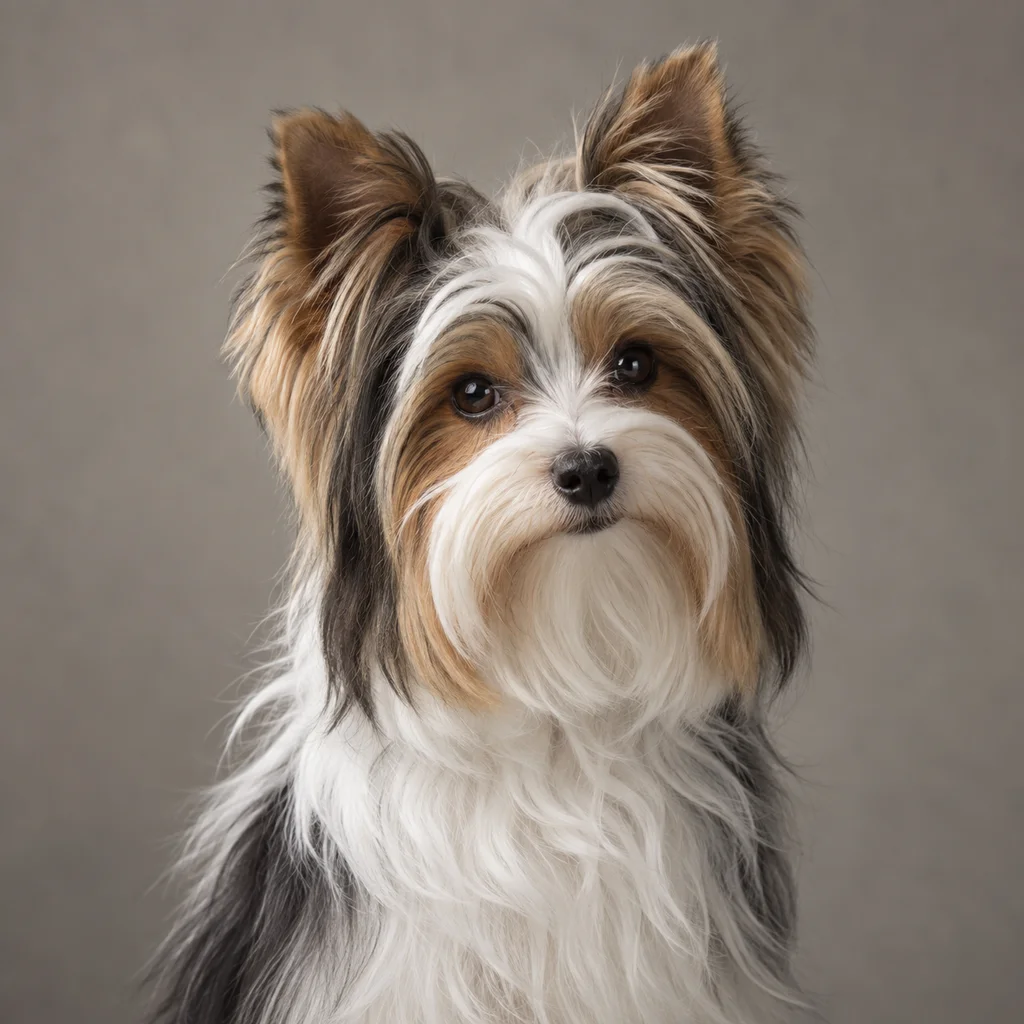
- High maintenance. Daily brushing to prevent mats in long, silky coat.
- Drool
- Very Low
- Coat
- Long, Silky, Single coatBlue and Tan
- In a flat
- Can work, with enough exercise outside it.
Health
Things to ask a breeder or vet about
Luxating Patella
Moderate
Kneecap displacement common in small terriers
Legg-Calve-Perthes Disease
Moderate
Hip joint deterioration
Tracheal Collapse
Moderate
Windpipe weakness causing coughing
Where they come from
History
Developed in Australia in the late 1800s by crossing Yorkshire Terriers with Australian Terriers. Bred to be a companion with the spirit of a terrier.