Working group · Switzerland/Italy
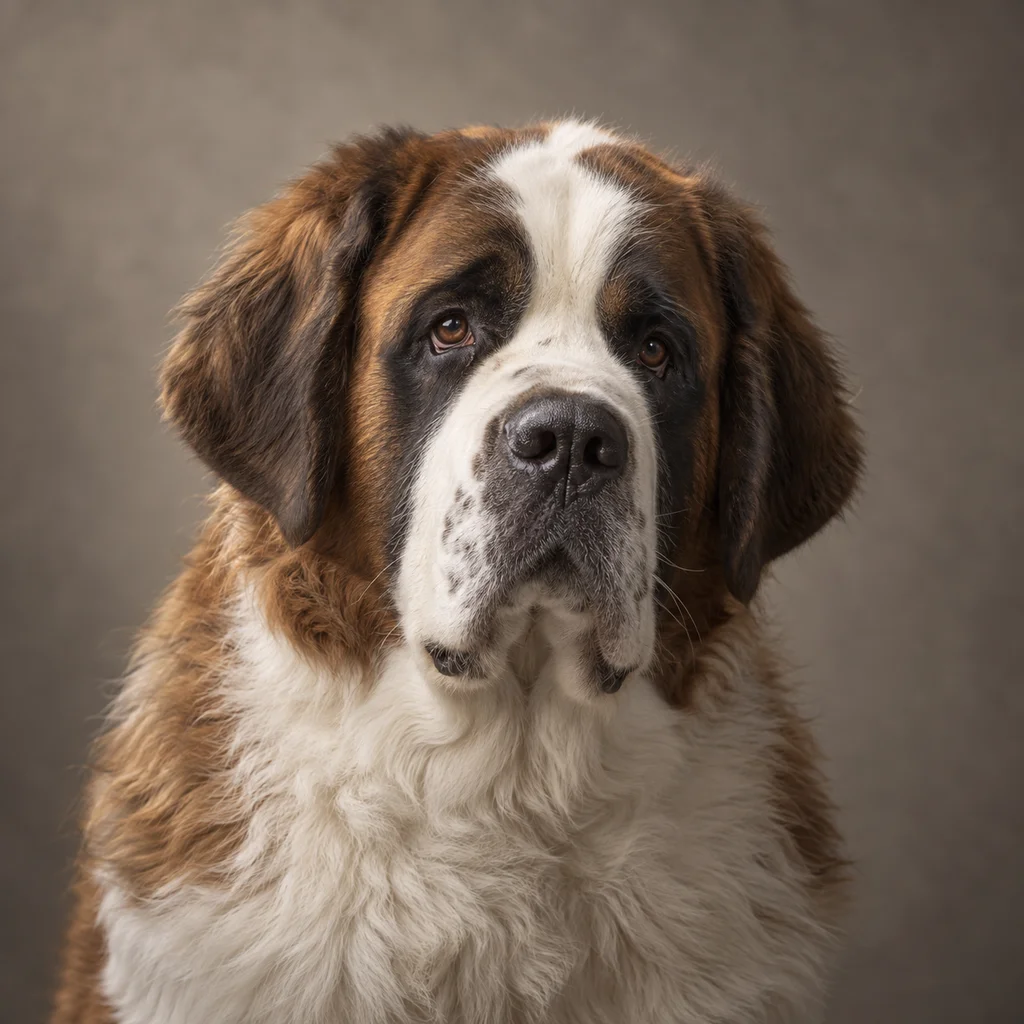
Saint Bernard
Also called St. Bernard, Alpine Mastiff.
Giant dog, low energy, trains well with consistency.
- Watchful
- Patient
- Charming
- Gentle
- Friendly
- Size
- Giant
- Weight
- 54 to 82 kg120 to 180 lb
- Lives
- 8 to 10 years
- Energy
- Low
- Trains
- Moderate
- Barks
- Moderate
Training
Training a Saint Bernard
Working breeds. Calm structure beats force every time. These dogs shut down under pressure and thrive on predictability.
Train While Small
Start here
Will become very large very fast, start young.
Positive Methods
Gentle giants respond poorly to harsh corrections.
Drool Management
Keep towels handy, drooling is significant.
The app turns this into five to fifteen minutes a day.
Add your Saint Bernard and it builds the plan around their age, where they came from and what they already know, on video with Atlas and Shango.

Free to start. iPhone. No card needed.
At home
Living with one
Bred to guard, pull and rescue. Big, strong, and serious about their people and their patch.
Gets on with
- ChildrenHigh
- Other dogsHigh
- StrangersHigh
- CatsHigh
Breed averages. Early socialisation and the individual dog matter more.
- Exercise
- 30-60 minutes daily. Moderate walks, avoid overexertion.
- Grooming
- Moderate to heavy. Regular brushing, clean facial wrinkles.
- Drool
- Very High
- Coat
- Short or Long, DenseRed & White, Brindle & White
- In a flat
- Needs more space than a flat gives.
Health
Things to ask a breeder or vet about
Bloat
Severe
Deep-chested breed risk
Hip Dysplasia
Moderate
Very common in giants
Heart Problems
Moderate
Dilated cardiomyopathy
Where they come from
History
Bred by monks at the Great St. Bernard Hospice for rescue work in the Swiss Alps.
- Beethoven · Family pet in comedy film series