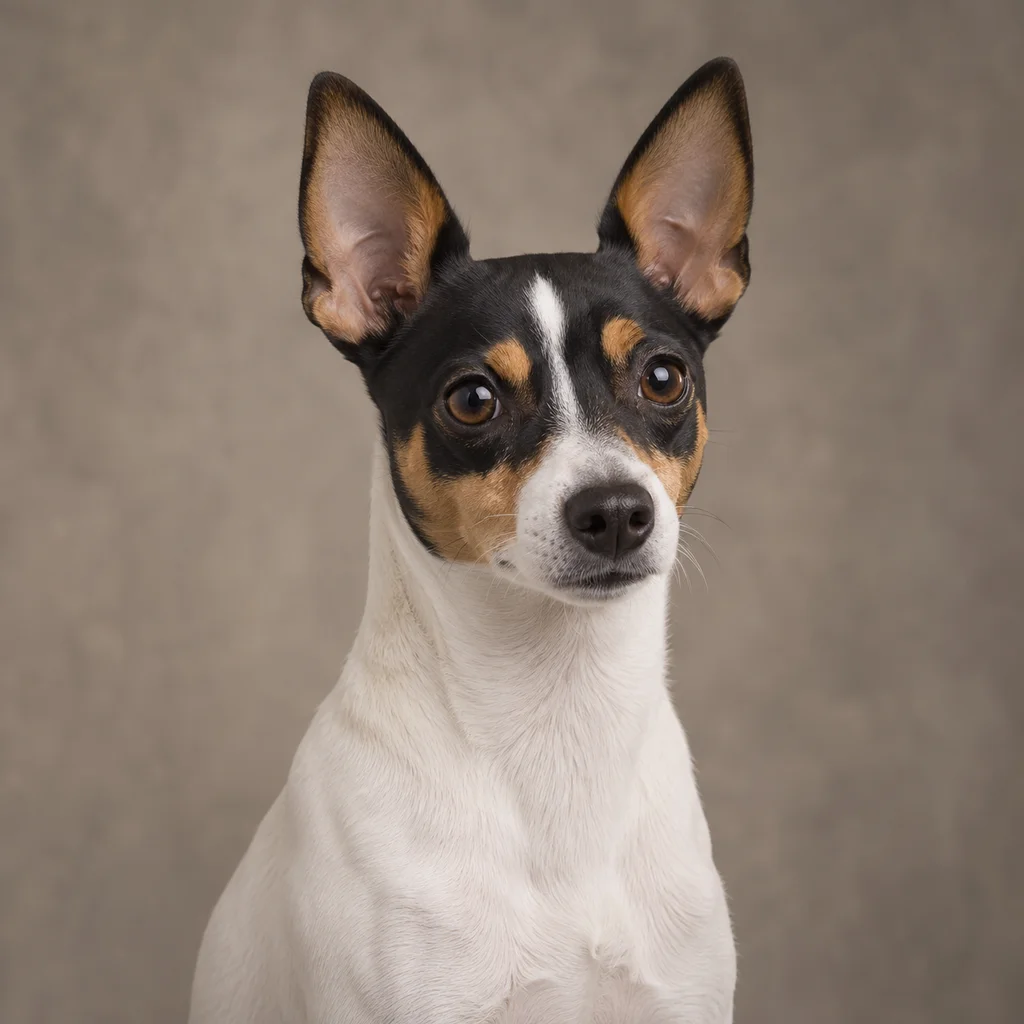
Toy group · Russia
Russian Toy
Also called Russkiy Toy, Russian Toy Terrier, Moscow Toy Terrier.
Tiny dog, moderate energy, quick to learn.
- Cheerful
- Active
- Loyal
- Intelligent
- Loving

- Size
- Toy
- Weight
- 1 to 3 kg3 to 6 lb
- Lives
- 12 to 14 years
- Energy
- Moderate
- Trains
- High
- Barks
- Moderate
Training
Training a Russian Toy
Toy breeds. Train them like a dog, not an ornament. Small dogs skip the manners work because they can be picked up.
Handle with Care
Start here
One of the smallest breeds. Fragile bones mean careful handling during all training.
Surprisingly Trainable
More eager to please than many toy breeds. Responds well to positive training.
Prevent Small Dog Syndrome
Tiny size tempts owners to skip training. Maintain same expectations as larger dogs.
The app turns this into five to fifteen minutes a day.
Add your Russian Toy and it builds the plan around their age, where they came from and what they already know, on video with Atlas and Shango.

Free to start. iPhone. No card needed.
At home
Living with one
Bred for company. Small in body, and often bigger in personality than the owner expected.
Gets on with
- ChildrenLow
- Other dogsModerate
- StrangersModerate
- CatsModerate
Breed averages. Early socialisation and the individual dog matter more.
- Exercise
- 20-30 minutes daily. Short walks and indoor play. Size limits activity.
- Grooming
- Low to moderate. Smooth coat needs minimal care. Long coat needs regular brushing.
- Drool
- Very Low
- Coat
- Smooth, Long-hairedBlack and Tan, Blue and Tan, Brown and Tan, Red, Sable
- In a flat
- Can work, with enough exercise outside it.
Health
Things to ask a breeder or vet about
Luxating Patella
Moderate
Kneecap problems very common due to tiny size
Bone Fractures
Severe
Fragile bones easily broken from falls or rough handling
Dental Disease
Moderate
Crowded teeth prone to early decay
Where they come from
History
Developed in Russia from English Toy Terriers. Nearly went extinct after Russian Revolution but was revived by breeders in the 1950s. Comes in smooth and long-coated varieties.