Pastoral group · Hungary
Pumi
Also called Hungarian Pumi, Pumik (plural).
Medium dog, high energy, quick to learn.
- Lively
- Alert
- Intelligent
- Ready to Work
- Vocal
- Size
- Medium
- Weight
- 10 to 13 kg22 to 29 lb
- Lives
- 12 to 13 years
- Energy
- High
- Trains
- High
- Barks
- High
Training
Training a Pumi
Pastoral breeds. Give the brain a job or it will find one. Chasing, nipping and fixating are the breed doing its work.
High Energy
Start here
Seemingly endless energy, needs significant daily exercise and mental stimulation.
Vocal Nature
Very vocal breed, accept some barking but teach "quiet" command early.
Quick Learner
Highly trainable and loves to work, excels in agility and obedience.
The app turns this into five to fifteen minutes a day.
Add your Pumi and it builds the plan around their age, where they came from and what they already know, on video with Atlas and Shango.

Free to start. iPhone. No card needed.
At home
Living with one
Bred to herd and guard livestock. Watchful, responsive, and wired to control movement.
Gets on with
- ChildrenHigh
- Other dogsModerate
- StrangersModerate
- CatsModerate
Breed averages. Early socialisation and the individual dog matter more.
- Exercise
- 1-2 hours daily. Active exercise and dog sports recommended.
- Grooming
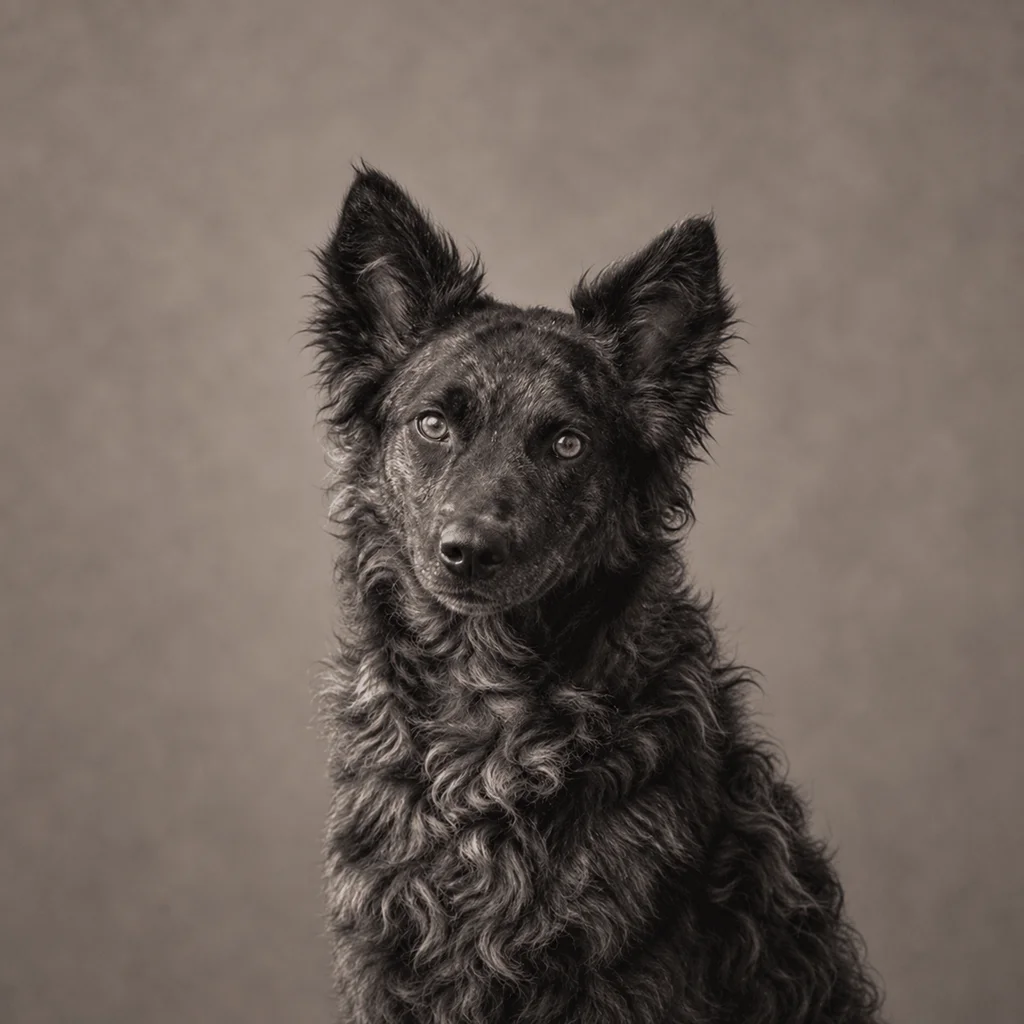
- Moderate. Curly coat needs combing every few weeks, no cording.
- Drool
- Low
- Coat
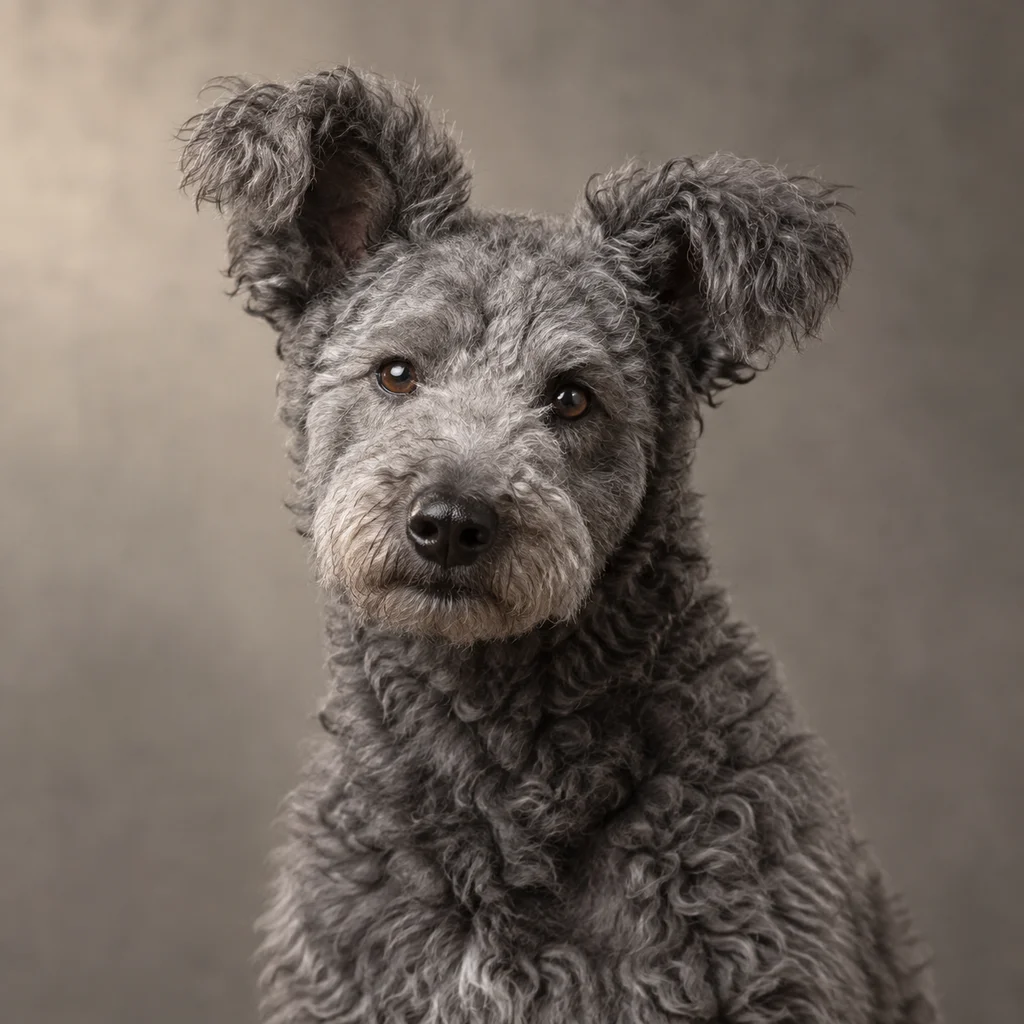
- Curly, Medium length, Not corded like PuliBlack, Grey, Fawn, White
- In a flat
- Needs more space than a flat gives.
Health
Things to ask a breeder or vet about
Hip Dysplasia
Moderate
Joint condition common in active breeds
Patellar Luxation
Moderate
Kneecap displacement
Where they come from
History
Developed in Hungary in the 17th-18th century by crossing Puli with French and German herding dogs. Used for driving cattle, sheep, and pigs. The distinctive curly coat and erect ears set it apart from the Puli.