Hound group · England
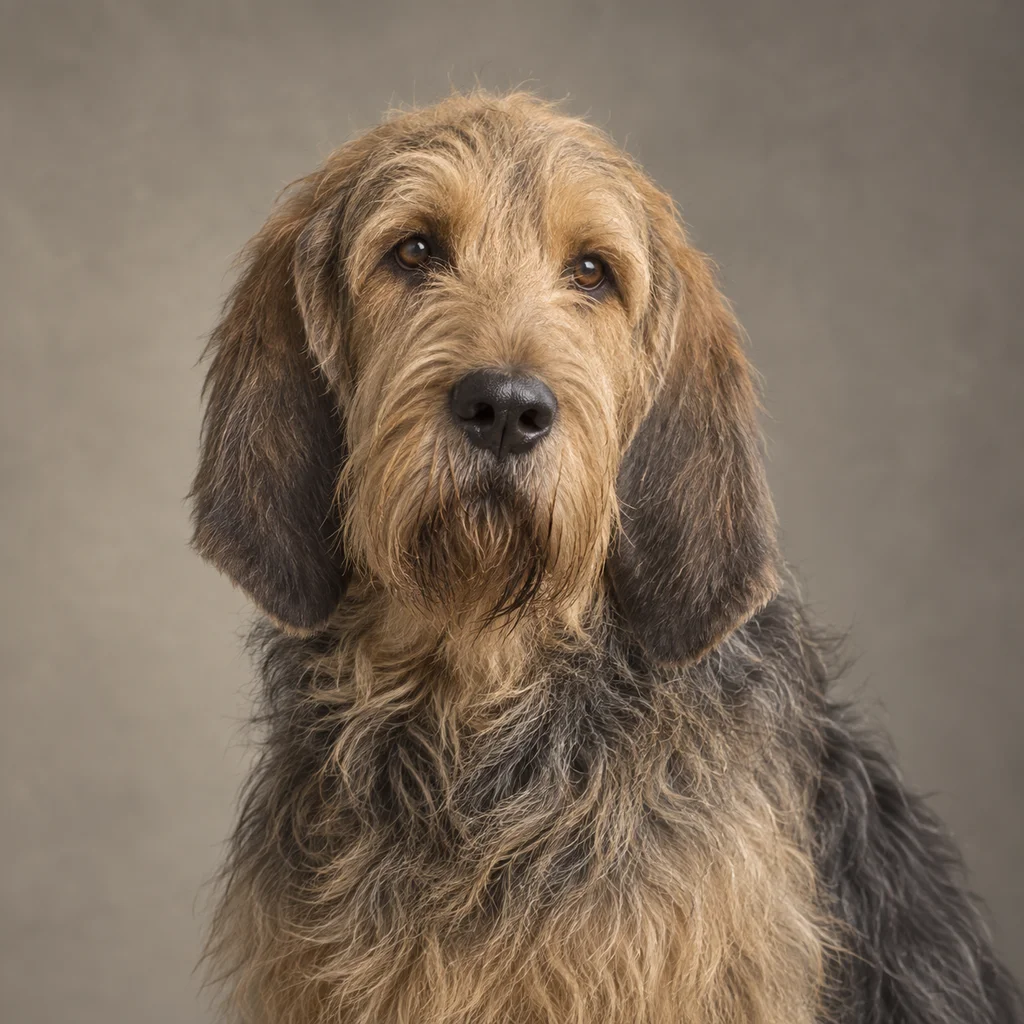
Otterhound
Large dog, moderate energy, independent, so training takes patience.
- Boisterous
- Even-tempered
- Amiable
- Friendly
- Independent
- Size
- Large
- Weight
- 36 to 52 kg80 to 115 lb
- Lives
- 10 to 13 years
- Energy
- Moderate
- Trains
- Low
- Barks
- High
Training
Training an Otterhound
Hound breeds. Recall is the whole game. Build it on a long line before you trust it, and never punish a slow return.
Scent Obsession
Start here
Their nose is nearly as good as the Bloodhound's. Once on a scent, training becomes secondary.
Water Dogs
Bred to swim for hours hunting otters. They love water and can be messy with their water bowls.
Rare Breed Challenges
One of the rarest breeds. Finding a reputable breeder requires patience and research.
The app turns this into five to fifteen minutes a day.
Add your Otterhound and it builds the plan around their age, where they came from and what they already know, on video with Atlas and Shango.

Free to start. iPhone. No card needed.
At home
Living with one
Bred to hunt by scent or sight, often far from the handler. Independent, with a nose or eyes that override you.
Gets on with
- ChildrenHigh
- Other dogsHigh
- StrangersHigh
- CatsModerate
Breed averages. Early socialisation and the individual dog matter more.
- Exercise
- 1-2 hours daily. Loves swimming and tracking. Needs secure fencing due to wandering tendencies.
- Grooming
- Moderate to high maintenance. Weekly brushing, coat can get tangled and dirty.
- Drool
- Moderate
- Coat
- Rough, Double coat, Oily, Water-resistantBlack and Tan, Grizzle, Wheaten, Liver and Tan
- In a flat
- Needs more space than a flat gives.
Health
Things to ask a breeder or vet about
Hip Dysplasia
Moderate
Common in large breeds
Bloat (GDV)
Severe
Deep-chested breed at risk; take preventive measures
Epilepsy
Moderate
Seizure disorder occurs in some lines
Where they come from
History
Developed in England for hunting otters that were depleting fish stocks. When otter hunting was banned, the breed nearly went extinct. Fewer than 800 exist worldwide.