Pastoral group · Hungary
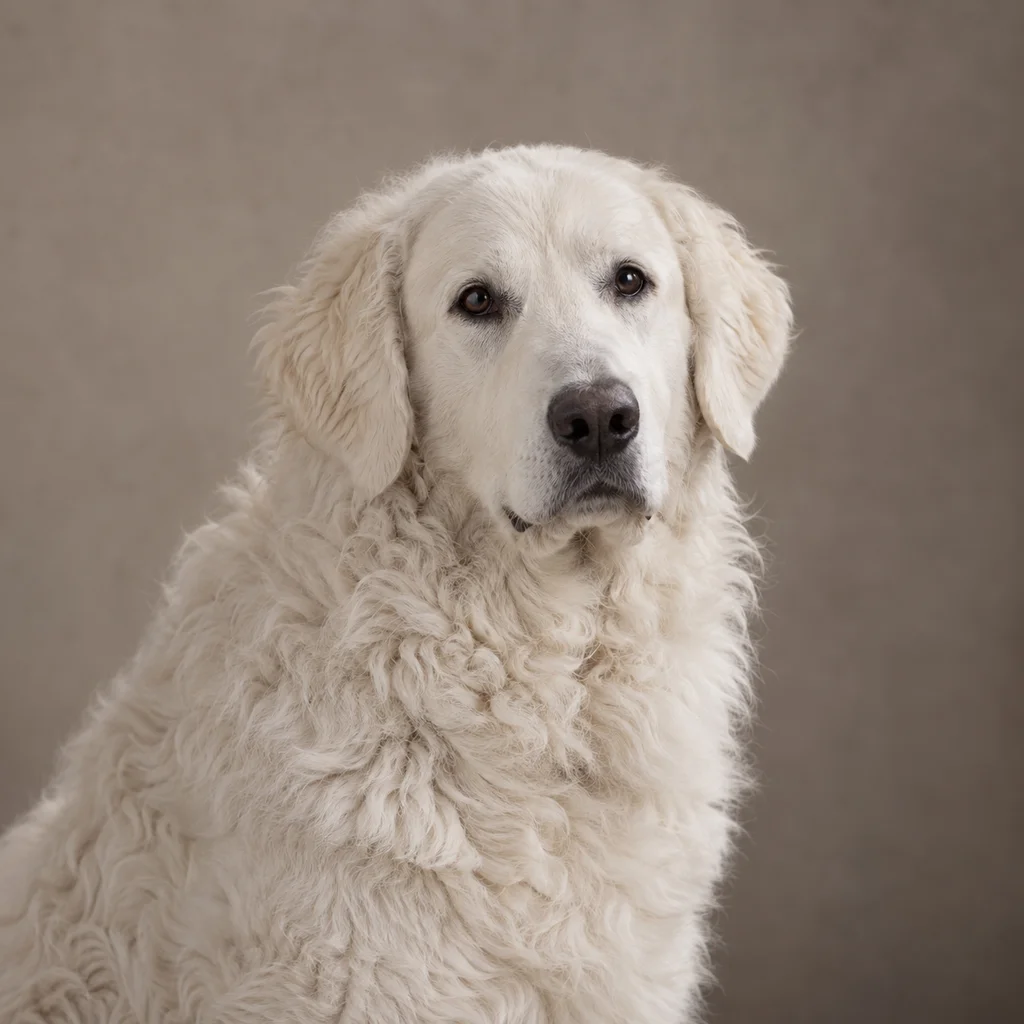
Kuvasz
Also called Hungarian Kuvasz.
Large dog, moderate energy, trains well with consistency.
- Loyal
- Protective
- Patient
- Clownish
- Independent
- Size
- Large
- Weight
- 32 to 52 kg70 to 115 lb
- Lives
- 10 to 12 years
- Energy
- Moderate
- Trains
- Moderate
- Barks
- Moderate
Training
Training a Kuvasz
Pastoral breeds. Give the brain a job or it will find one. Chasing, nipping and fixating are the breed doing its work.
Early Socialisation Essential
Start here
Naturally suspicious of strangers. Extensive positive exposure prevents overprotectiveness.
More Trainable Than Other LGDs
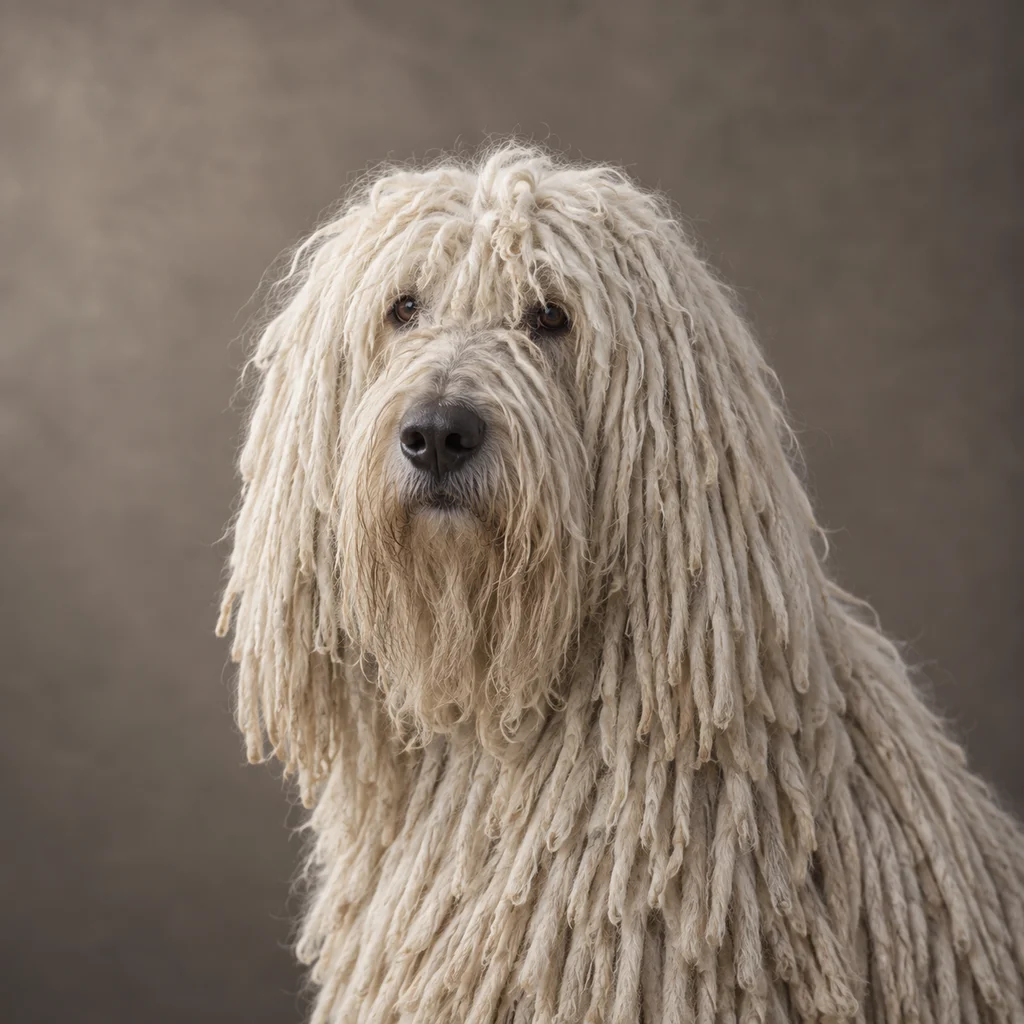
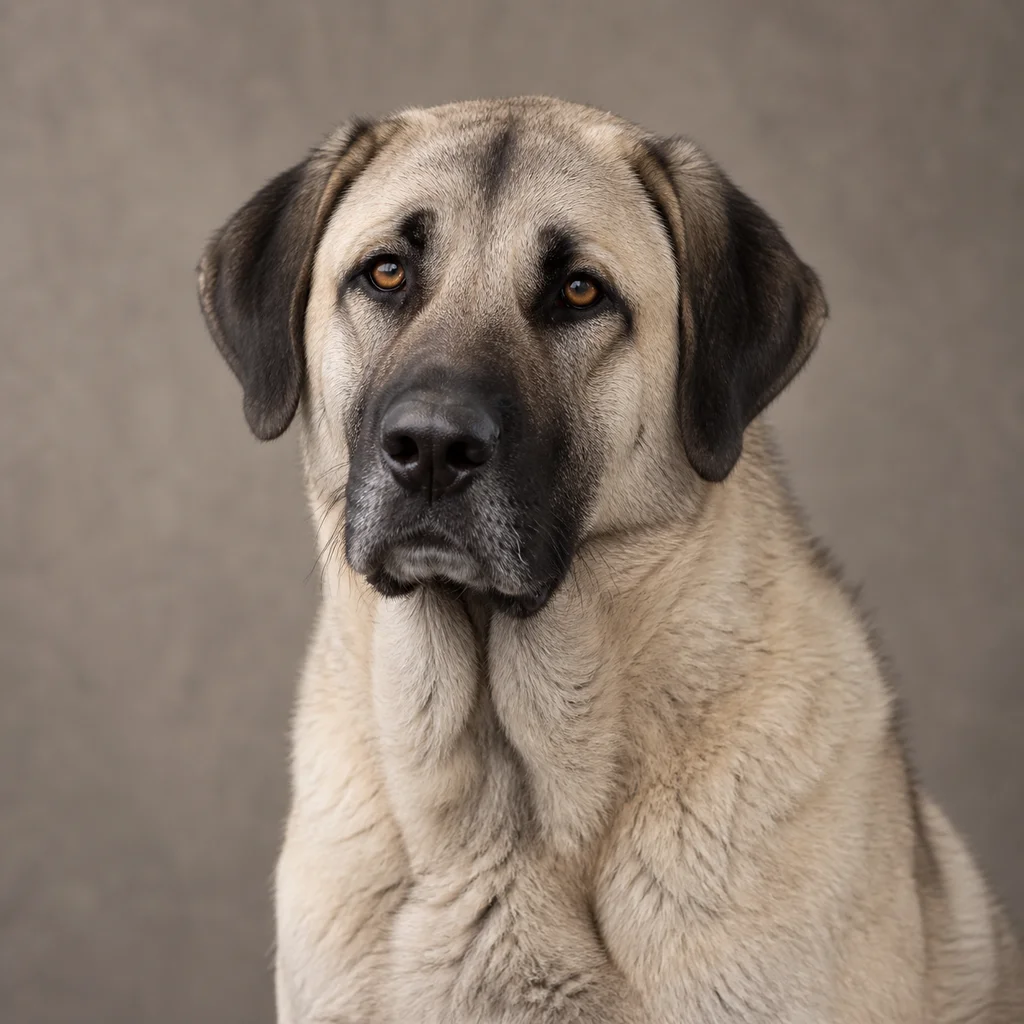
While still independent, Kuvasz are more eager to please than Komondors or Anatolians. Use this advantage.
Mental Stimulation Needed
More intelligent and playful than many guardian breeds. Provide mental challenges to prevent boredom.
The app turns this into five to fifteen minutes a day.
Add your Kuvasz and it builds the plan around their age, where they came from and what they already know, on video with Atlas and Shango.

Free to start. iPhone. No card needed.
At home
Living with one
Bred to herd and guard livestock. Watchful, responsive, and wired to control movement.
Gets on with
- ChildrenHigh
- Other dogsModerate
- StrangersLow
- CatsModerate
Breed averages. Early socialisation and the individual dog matter more.
- Exercise
- 1-2 hours daily. Enjoys long walks, property patrol, and swimming.
- Grooming
- Moderate to heavy. Regular brushing needed. Heavy seasonal shedding.
- Drool
- Low
- Coat
- Double coat, Wavy or Straight, Dense undercoatWhite
- In a flat
- Needs more space than a flat gives.
Health
Things to ask a breeder or vet about
Hip Dysplasia
Moderate
Joint malformation common in large breeds
Osteochondritis Dissecans
Moderate
Cartilage development problem in growing puppies
Hypothyroidism
Mild
Underactive thyroid affecting metabolism and coat
Where they come from
History
Royal guard dogs of Hungarian kings and nobles since the Middle Ages. King Matthias I (1458-1490) trusted his Kuvasz more than his human guards. Nearly extinct after WWII but revived by dedicated breeders.