Working group · Germany
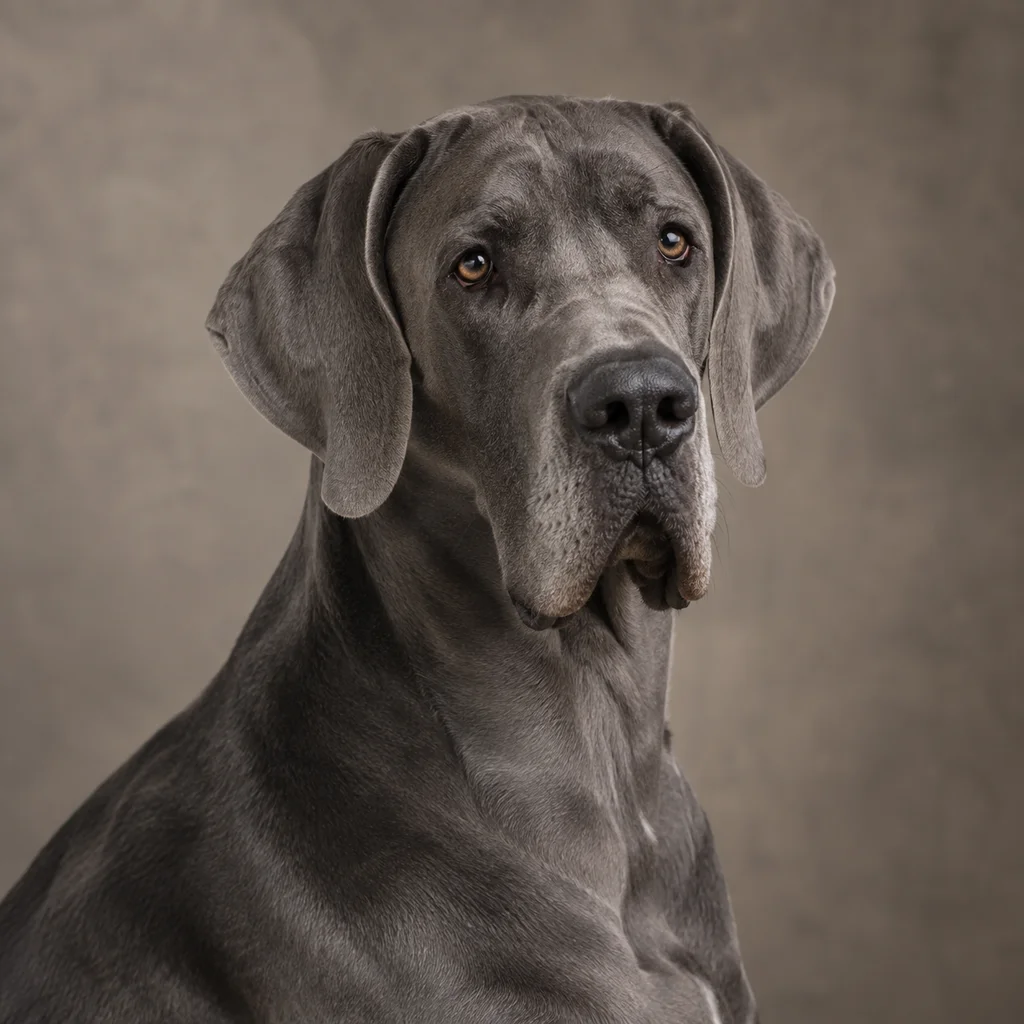
Great Dane
Also called Deutsche Dogge, German Mastiff, Apollo of Dogs.
Giant dog, moderate energy, quick to learn.
- Friendly
- Patient
- Dependable
- Gentle
- Affectionate
- Size
- Giant
- Weight
- 50 to 79 kg110 to 175 lb
- Lives
- 7 to 10 years
- Energy
- Moderate
- Trains
- High
- Barks
- Moderate
Training
Training a Great Dane
Working breeds. Calm structure beats force every time. These dogs shut down under pressure and thrive on predictability.
Start Early
Start here
Train while small, they grow fast and become hard to manage.
Lead Manners
Essential due to size, they can pull anyone over.
Gentle Giants
Sensitive souls. Rewards do the work; a calm word is all the correction they need.
The app turns this into five to fifteen minutes a day.
Add your Great Dane and it builds the plan around their age, where they came from and what they already know, on video with Atlas and Shango.

Free to start. iPhone. No card needed.
At home
Living with one
Bred to guard, pull and rescue. Big, strong, and serious about their people and their patch.
Gets on with
- ChildrenHigh
- Other dogsHigh
- StrangersHigh
- CatsHigh
Breed averages. Early socialisation and the individual dog matter more.
- Exercise
- 1-2 hours daily. Moderate walks, avoid intense exercise when young.
- Grooming
- Low maintenance. Weekly brushing.
- Drool
- High
- Coat
- Short, SmoothFawn, Brindle, Blue, Black, Harlequin, Mantle
- In a flat
- Needs more space than a flat gives.
Health
Things to ask a breeder or vet about
Bloat (GDV)
Severe
Life-threatening; preventive gastropexy recommended
Cardiomyopathy
Severe
Heart disease common in giants
Hip Dysplasia
Moderate
Joint issues from rapid growth
Where they come from
History
Ancient breed depicted in Egyptian monuments. Developed in Germany for boar hunting.
- Scooby-Doo · Cartoon Great Dane detective
- Marmaduke · Comic strip Great Dane