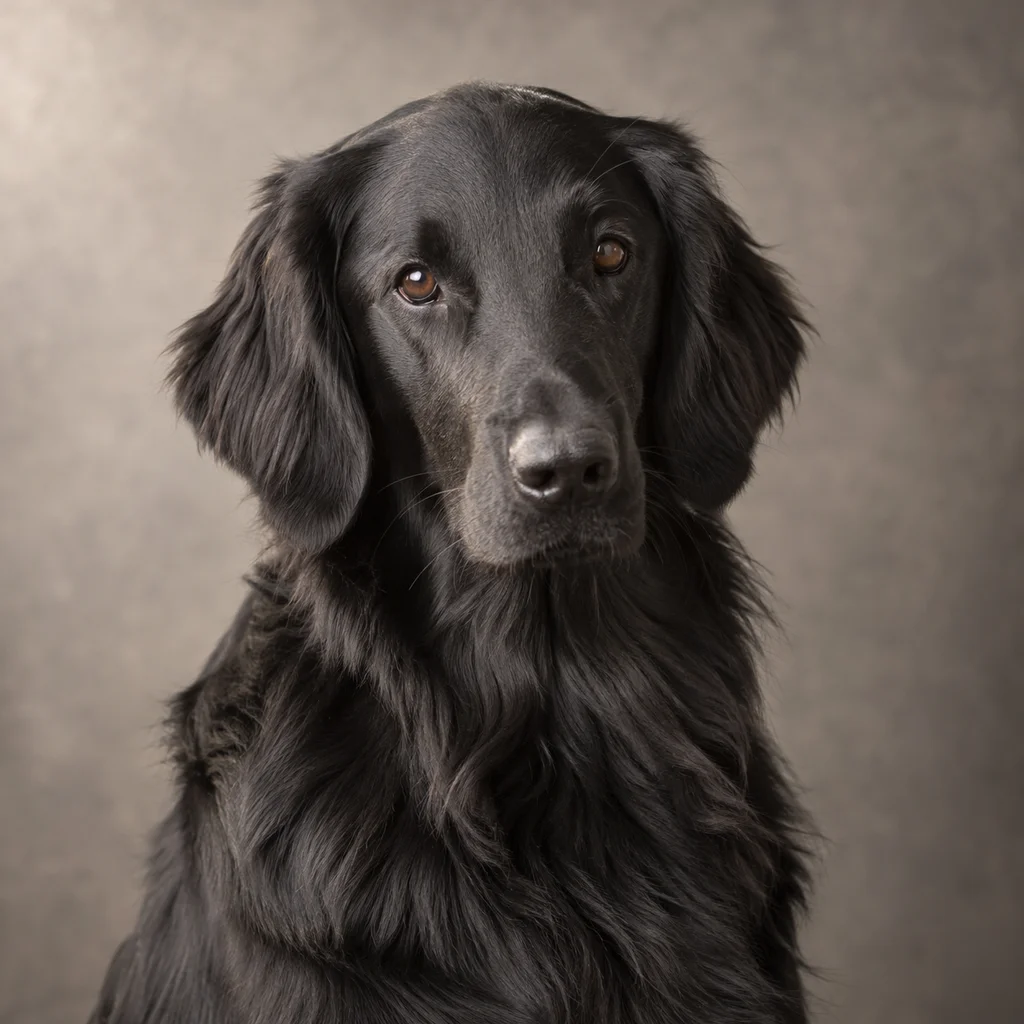
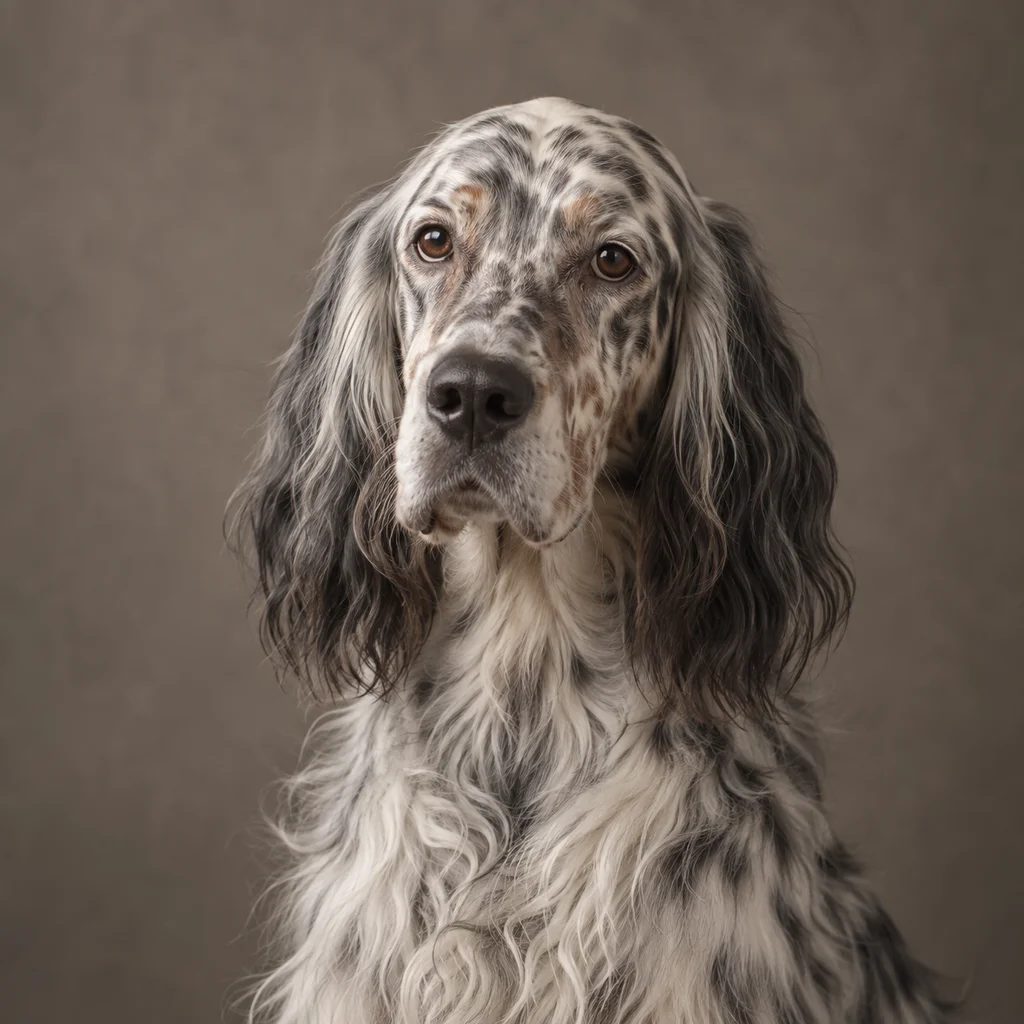
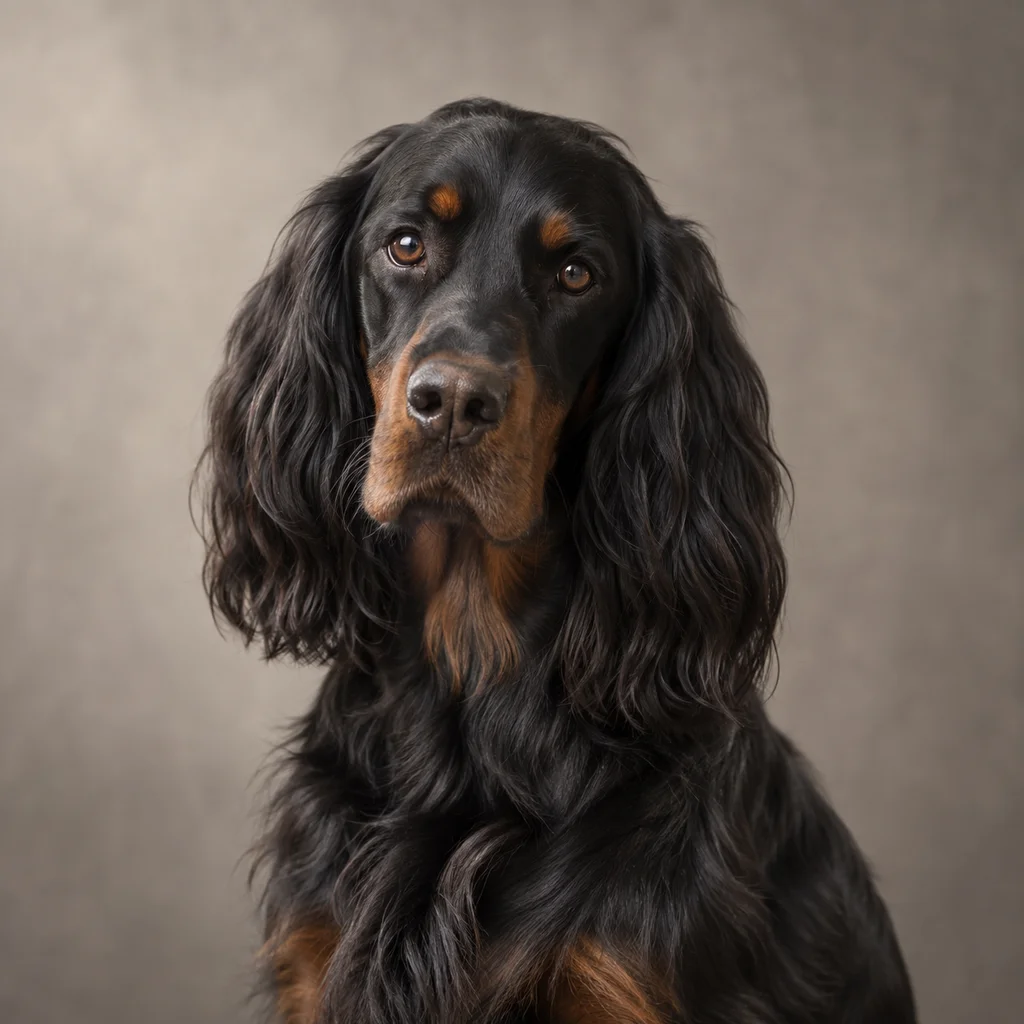
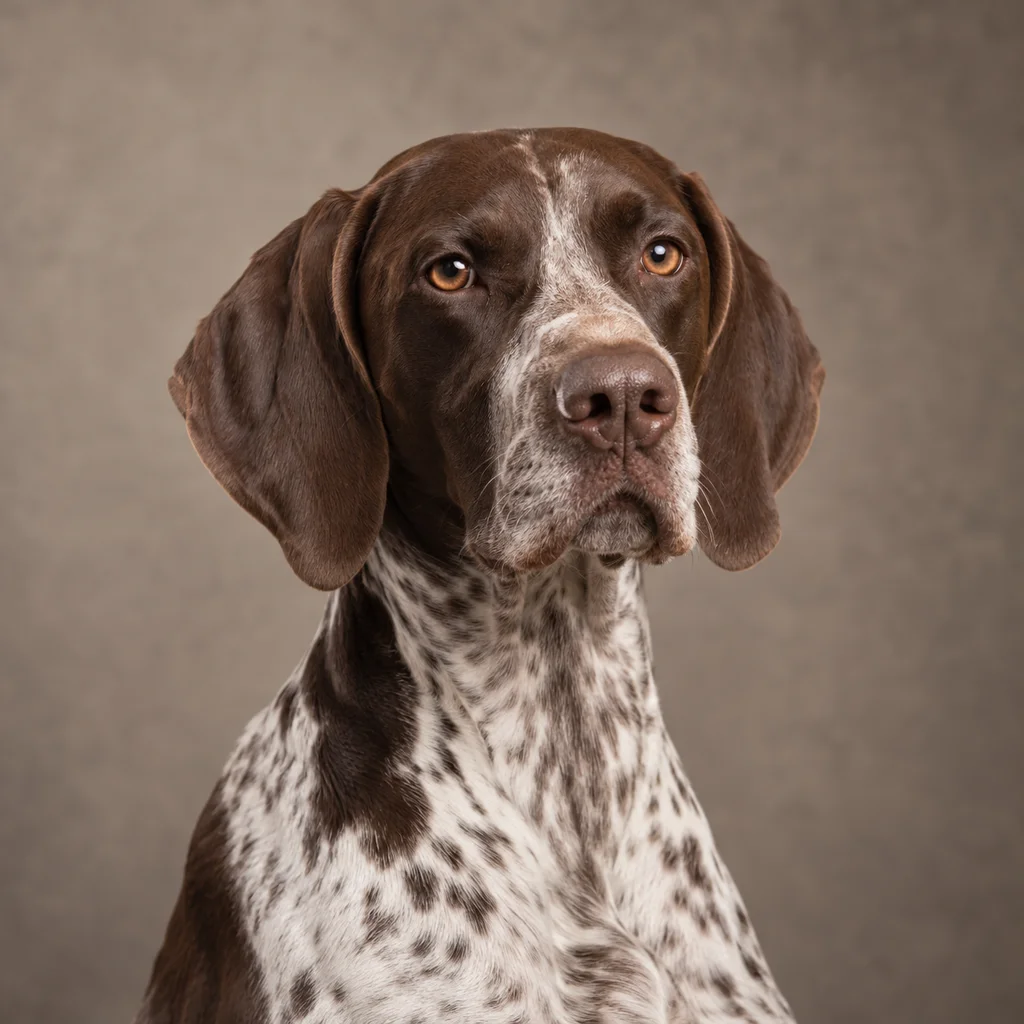
Gundog group · England
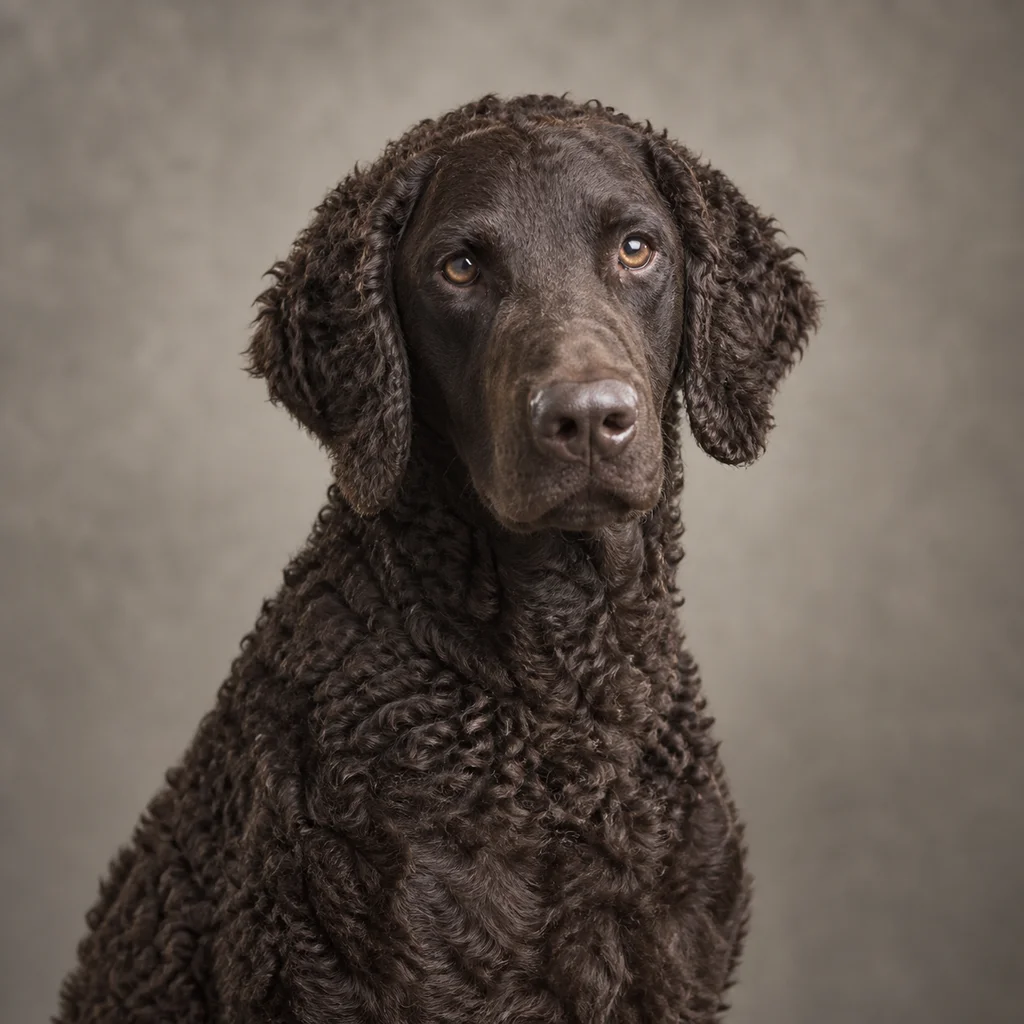
Curly-Coated Retriever
Also called Curly, CCR.
Large dog, high energy, trains well with consistency.
- Confident
- Proud
- Clever
- Independent
- Wickedly Smart
- Size
- Large
- Weight
- 27 to 43 kg60 to 95 lb
- Lives
- 10 to 12 years
- Energy
- High
- Trains
- Moderate
- Barks
- Low
Training
Training a Curly-Coated Retriever
Gundog breeds. Quick to learn and quick to get over-excited. The work is calm around distractions, not obedience.
Independent Thinker
Start here
The most independent of retrievers. They're smart but won't blindly follow commands. Earn their respect.
Avoid Repetition
Curlies bore quickly with repetitive training. Keep sessions short, varied, and mentally stimulating.
Experienced Handler Preferred
Best for those with previous retriever experience. First-time owners may find the independence challenging.
The app turns this into five to fifteen minutes a day.
Add your Curly-Coated Retriever and it builds the plan around their age, where they came from and what they already know, on video with Atlas and Shango.

Free to start. iPhone. No card needed.
At home
Living with one
Bred to find, flush and retrieve game alongside a person. Biddable, busy, and happiest with a job.
Gets on with
- ChildrenHigh
- Other dogsModerate
- StrangersLow
- CatsLow
Breed averages. Early socialisation and the individual dog matter more.
- Exercise
- 1-2 hours daily. Swimming is ideal. Needs both physical and mental challenges.
- Grooming
- Low. No brushing needed, damages curls. Occasional bath and air dry. Minimal shedding.
- Drool
- Low
- Coat
- Tight curls, Dense, Water-resistantBlack, Liver
- In a flat
- Needs more space than a flat gives.
Health
Things to ask a breeder or vet about
Hip Dysplasia
Moderate
Joint condition requiring screening in breeding dogs
Glycogen Storage Disease
Severe
Genetic metabolic disorder, can be tested for
Epilepsy
Moderate
Seizure disorder that may require lifelong medication
Where they come from
History
One of the oldest retriever breeds, developed in England in the late 1700s from Old English Water Dog, St. John's Newfoundland, and possibly Poodle. The distinctive curly coat provides excellent protection in cold water. Prized by English gamekeepers for reliability and endurance.