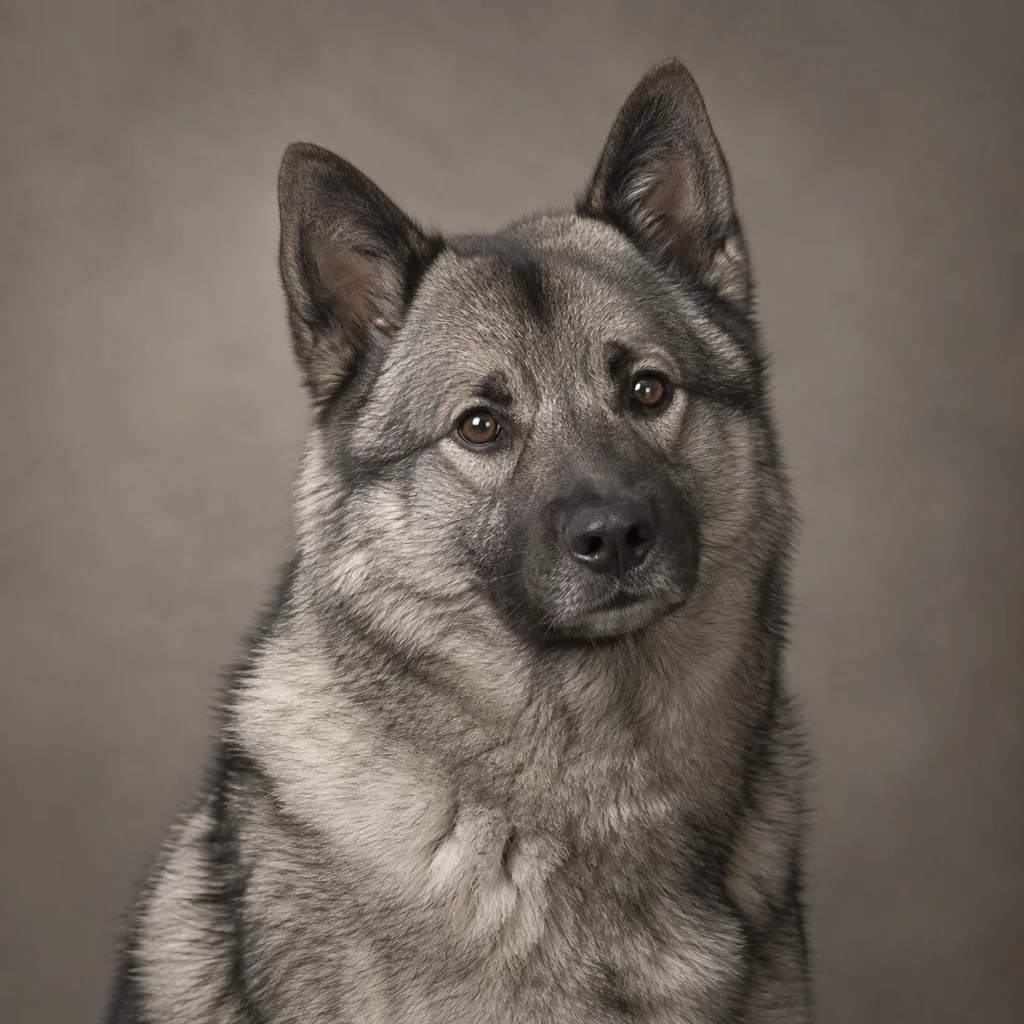
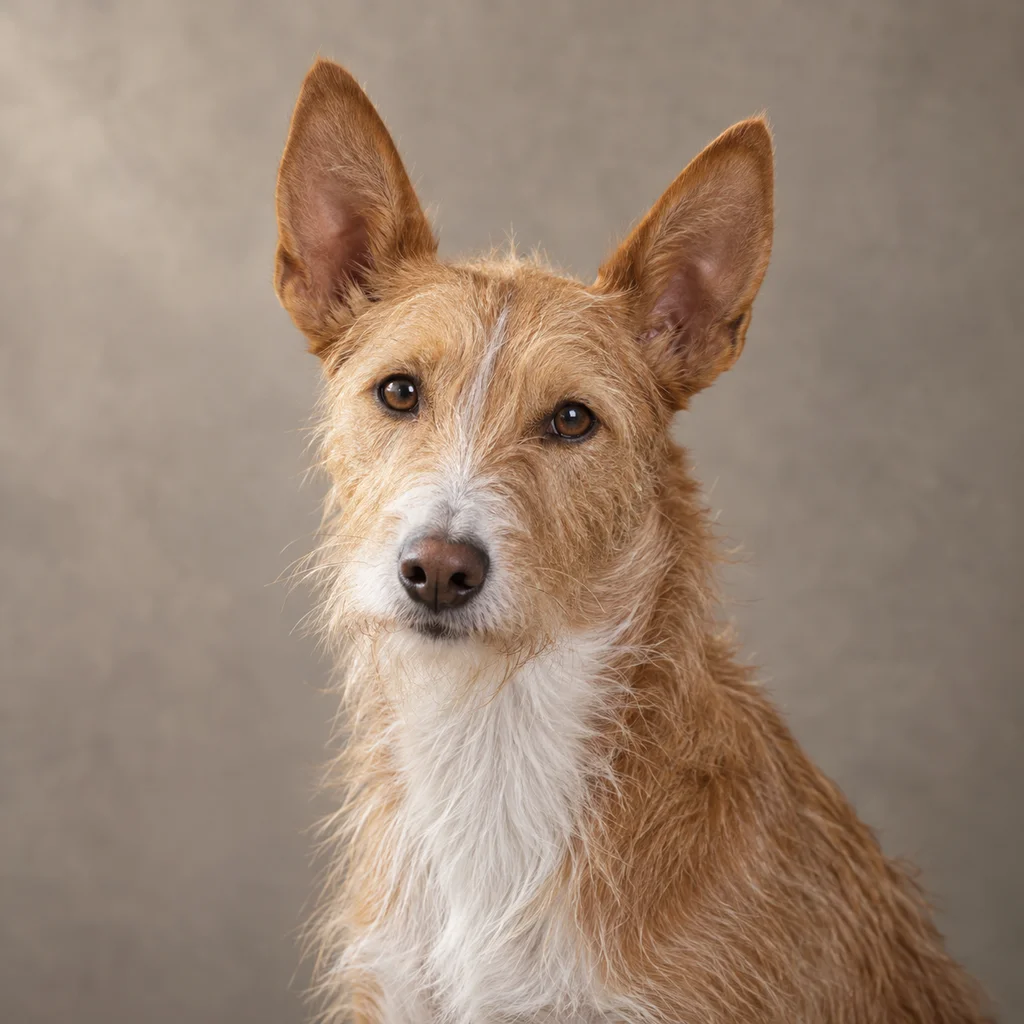
Hound group · Italy (Sicily)
Cirneco dell'Etna
Also called Cirneco, Sicilian Greyhound.
Medium dog, high energy, trains well with consistency.
- Affectionate
- Independent
- Friendly
- Lively
- Alert
- Size
- Medium
- Weight
- 8 to 12 kg18 to 27 lb
- Lives
- 12 to 14 years
- Energy
- High
- Trains
- Moderate
- Barks
- Low
Training
Training a Cirneco dell'Etna
Hound breeds. Recall is the whole game. Build it on a long line before you trust it, and never punish a slow return.
Strong Bonds
Start here
They bond closely with their people. More trainable than many sighthounds due to this attachment.
Smaller Sighthound
More manageable size than larger sighthounds but with the same independent nature and prey drive.
Heat Tolerant, Cold Sensitive
Bred on sunny Sicily, they handle heat well but need sweaters in cold weather.
The app turns this into five to fifteen minutes a day.
Add your Cirneco dell'Etna and it builds the plan around their age, where they came from and what they already know, on video with Atlas and Shango.

Free to start. iPhone. No card needed.
At home
Living with one
Bred to hunt by scent or sight, often far from the handler. Independent, with a nose or eyes that override you.
Gets on with
- ChildrenHigh
- Other dogsHigh
- StrangersModerate
- CatsLow
Breed averages. Early socialisation and the individual dog matter more.
- Exercise
- 1 hour daily. Loves running and lure coursing. Can adapt to smaller living spaces if exercised.
- Grooming
- Minimal maintenance. Occasional brushing.
- Drool
- Low
- Coat
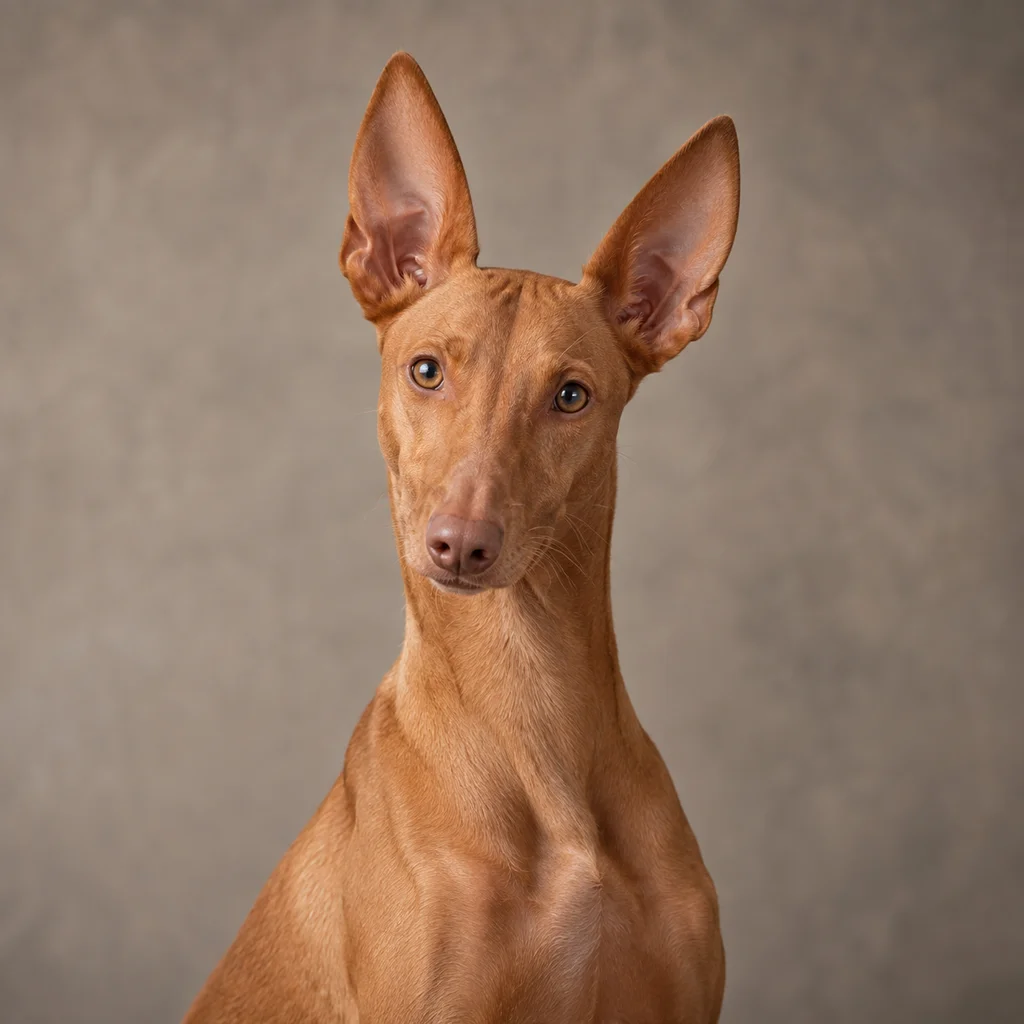
- Short, Fine, SleekTan, Chestnut, Light Sand
- In a flat
- Can work, with enough exercise outside it.
Health
Things to ask a breeder or vet about
Generally Healthy
Mild
Hardy breed with few genetic health issues
Cold Sensitivity
Mild
Thin coat requires protection in cold weather
Joint Issues
Mild
Some dogs may develop joint problems with age
Where they come from
History
Ancient Sicilian breed developed near Mount Etna for hunting rabbits. Descended from Egyptian hunting dogs brought by Phoenicians. Nearly extinct before revival in the 1930s.